Living with the Sherpas at Everest Base Camp: Behind the Scenes with 8K Expeditions
Three days in the Sherpa camp at Everest Base Camp with 8K Expeditions, watching the camp being built and training on the Khumbu Icefall.

Most people who trek to Everest Base Camp reach the big rock, take their photo and head back down to Gorak Shep the same afternoon.
In early April 2026 I got to stay. For three days I lived at base camp with the 8K Expeditions team and around 60 Sherpas. I wasn’t there as a guest. I had my own tent in the Sherpa camp, ate with the team, and watched them build the camp for one of the biggest climbing seasons in the world.
I saw how the ground is dug out and levelled, how the kitchens are set up to feed everyone, and how the big dome tents go up. I also trained on the Khumbu Icefall with Temba, the Sherpa I went on to climb Island Peak, Lobuche East and Manaslu with later in the year.
This post is about those days.
Contents
- Arriving at base camp
- My tent and the Sherpa tent
- Building the camp
- The dome tents go up
- The kitchens
- Khumbu Icefall training with Temba
- Evenings and nights at base camp
- Final thoughts
Arriving at base camp
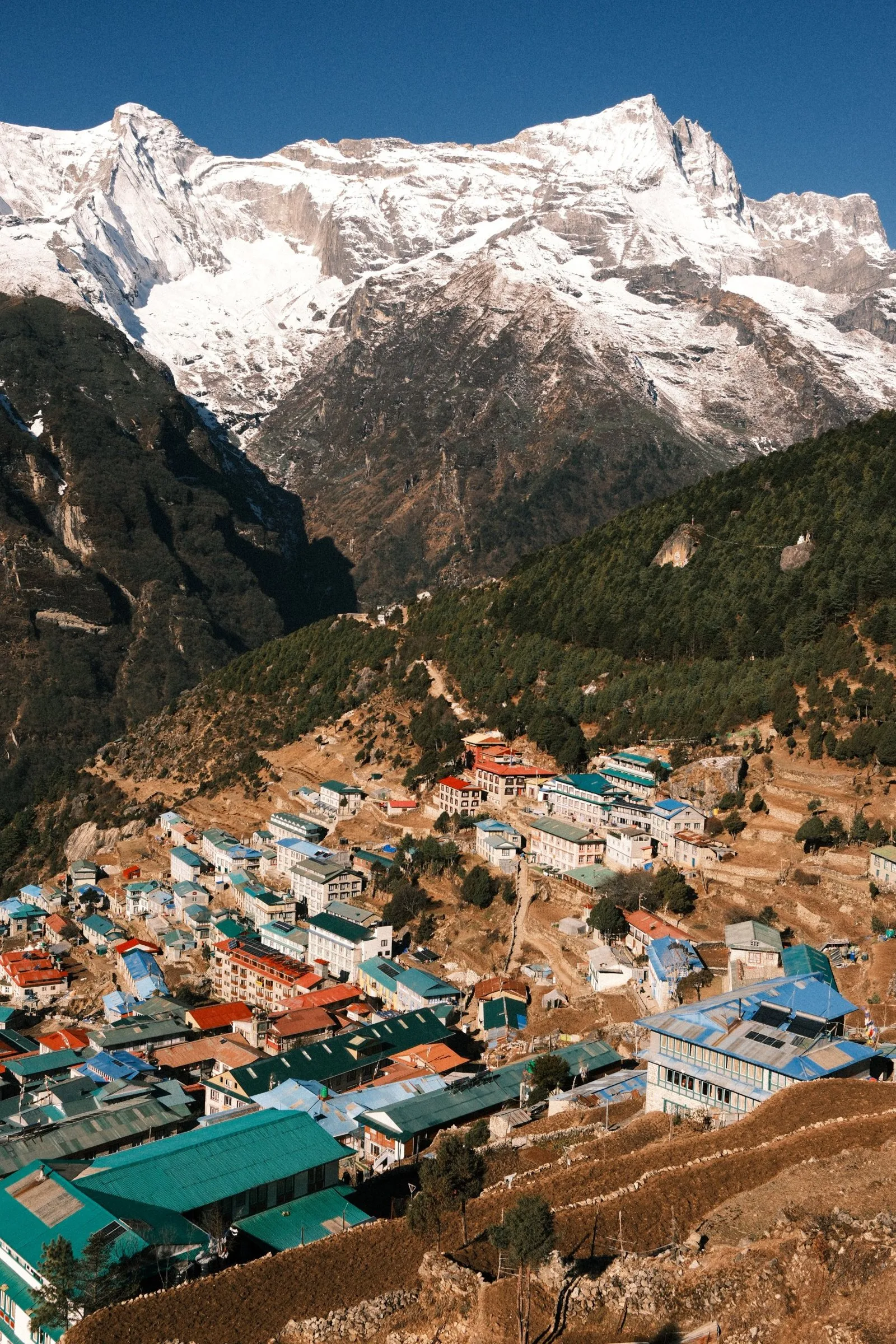
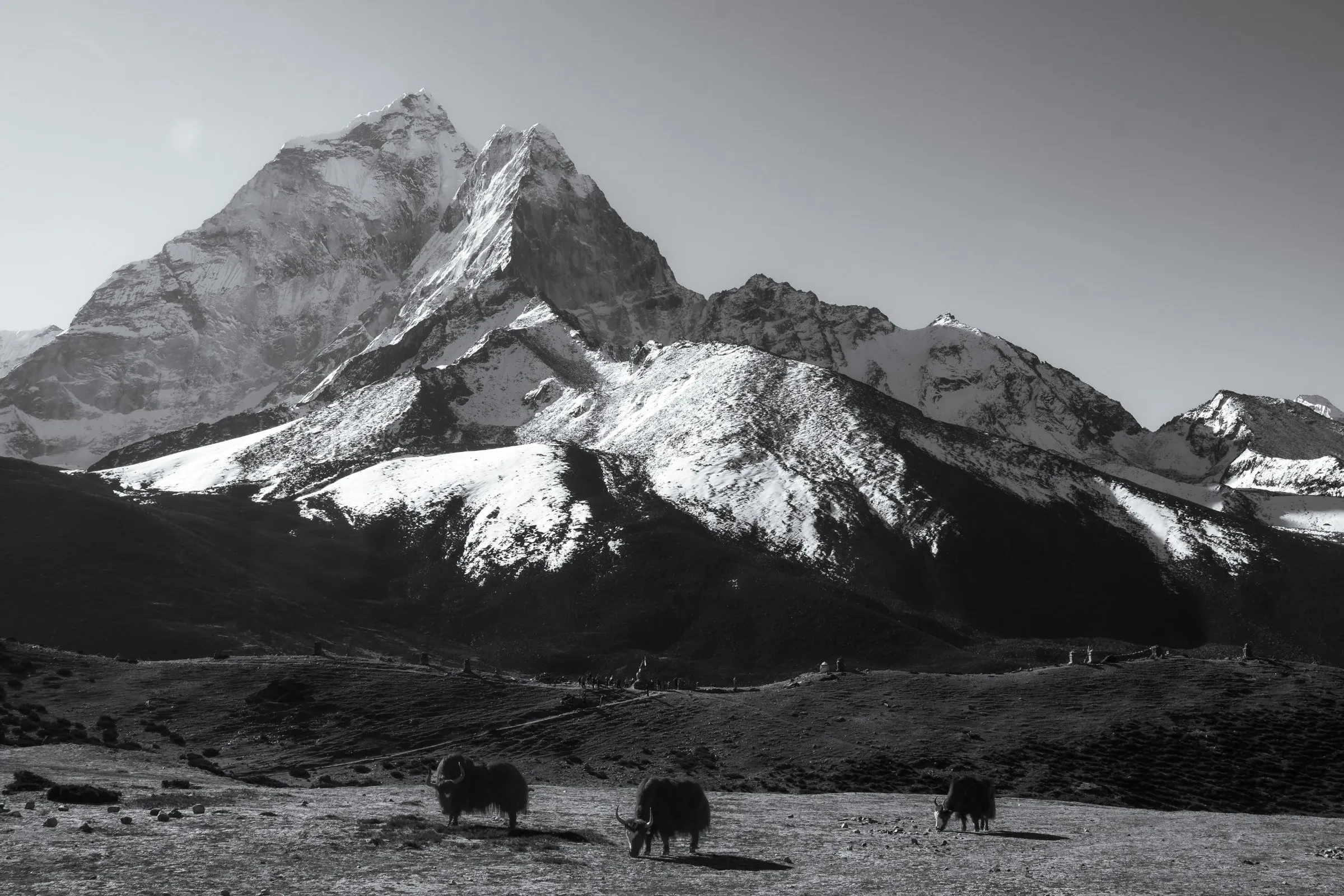
I trekked up from Lukla through Namche Bazaar, then on through Tengboche, Dingboche and Lobuche, stopping at Gorak Shep for lunch before the final stretch. I’ll write about the trek itself in a separate post.
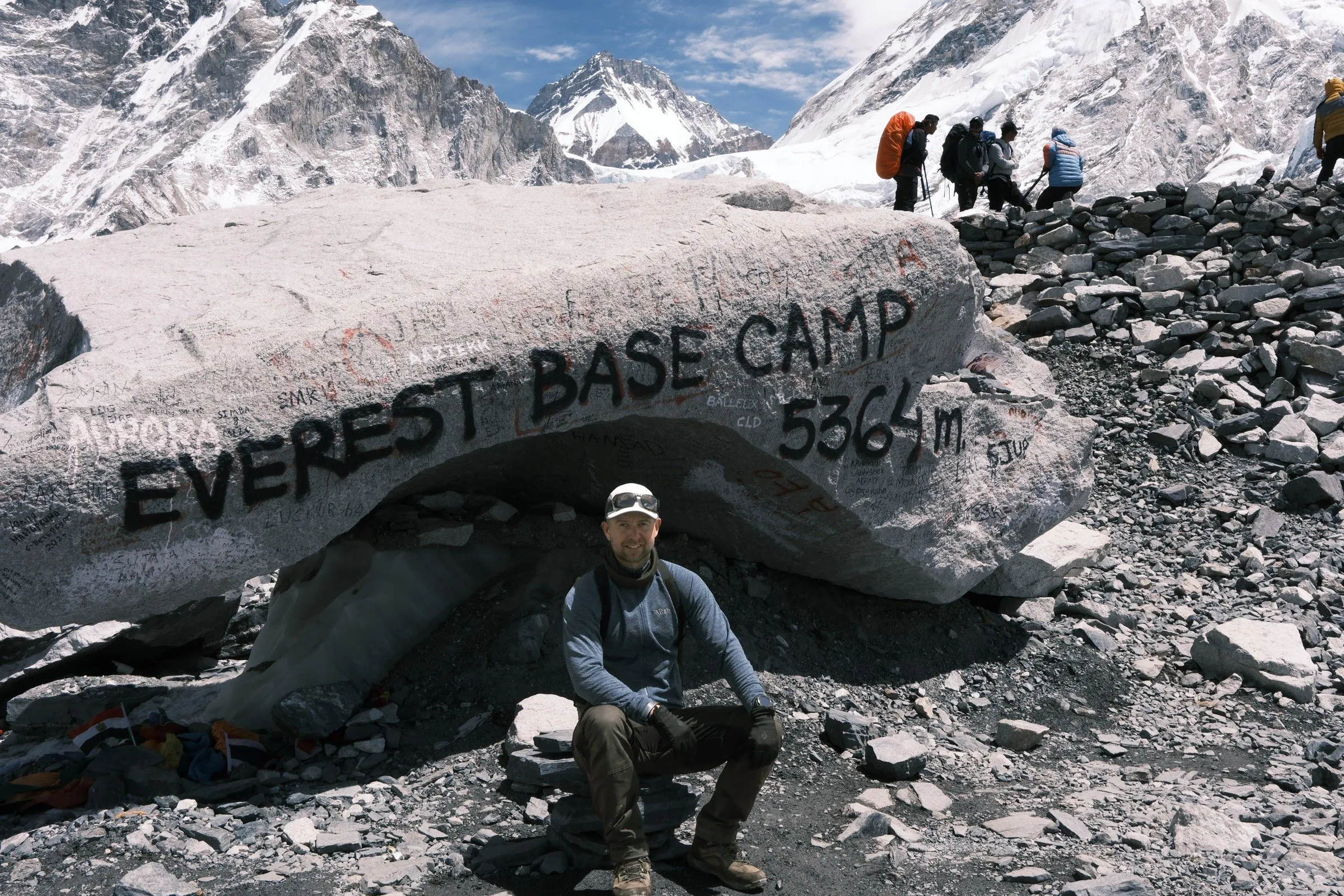
At the big rock I said goodbye to the friends I’d met along the route and kept walking.
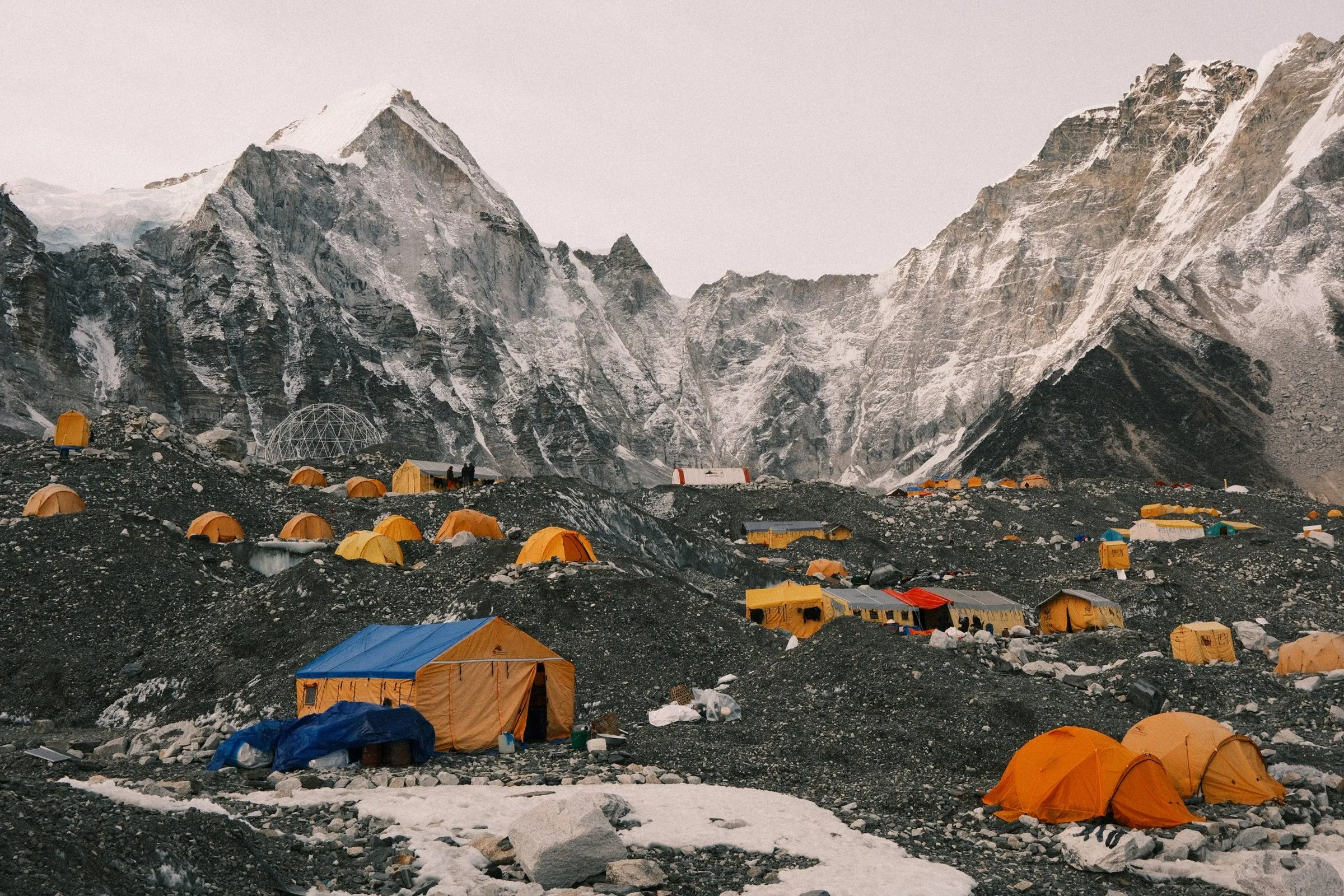
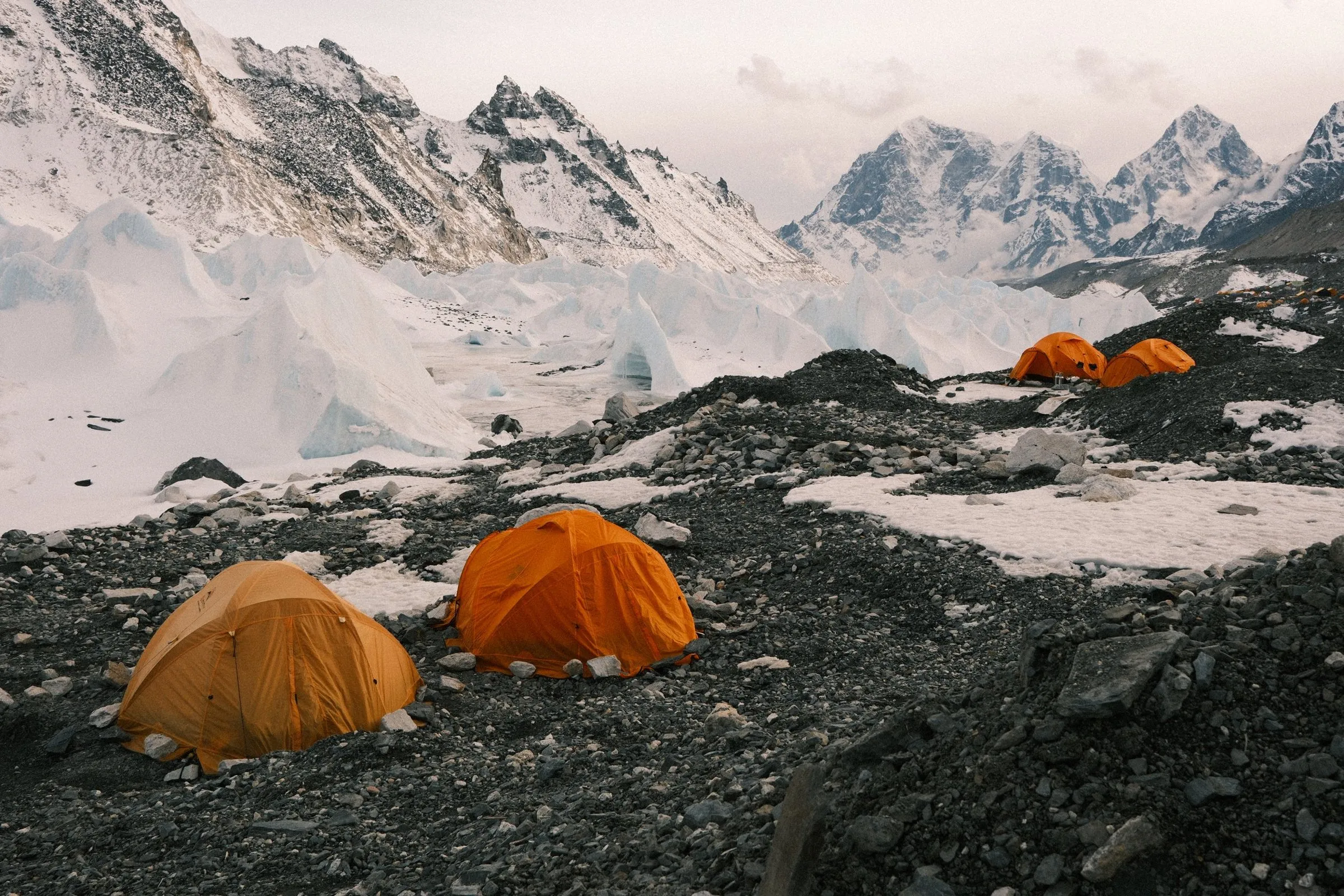
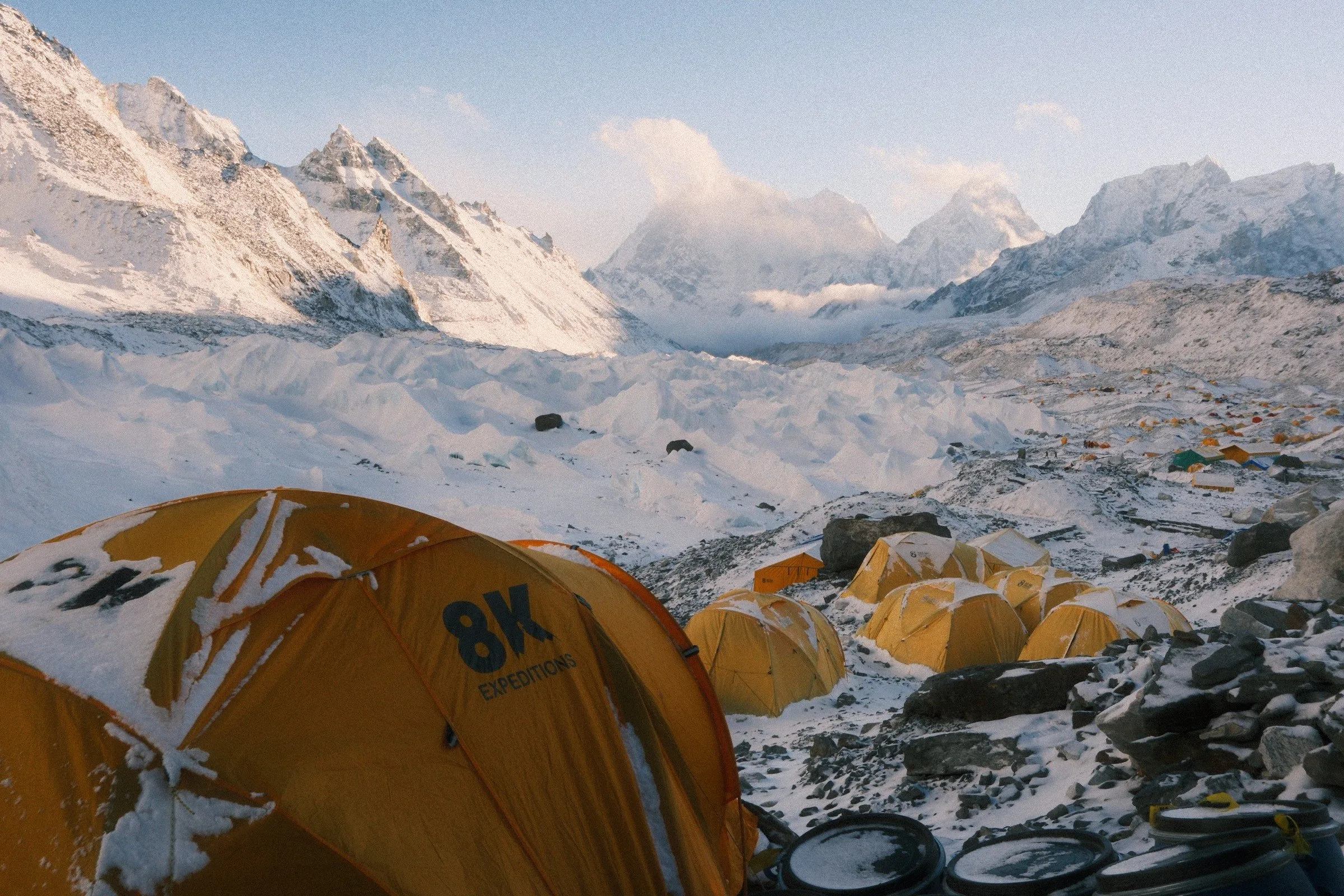
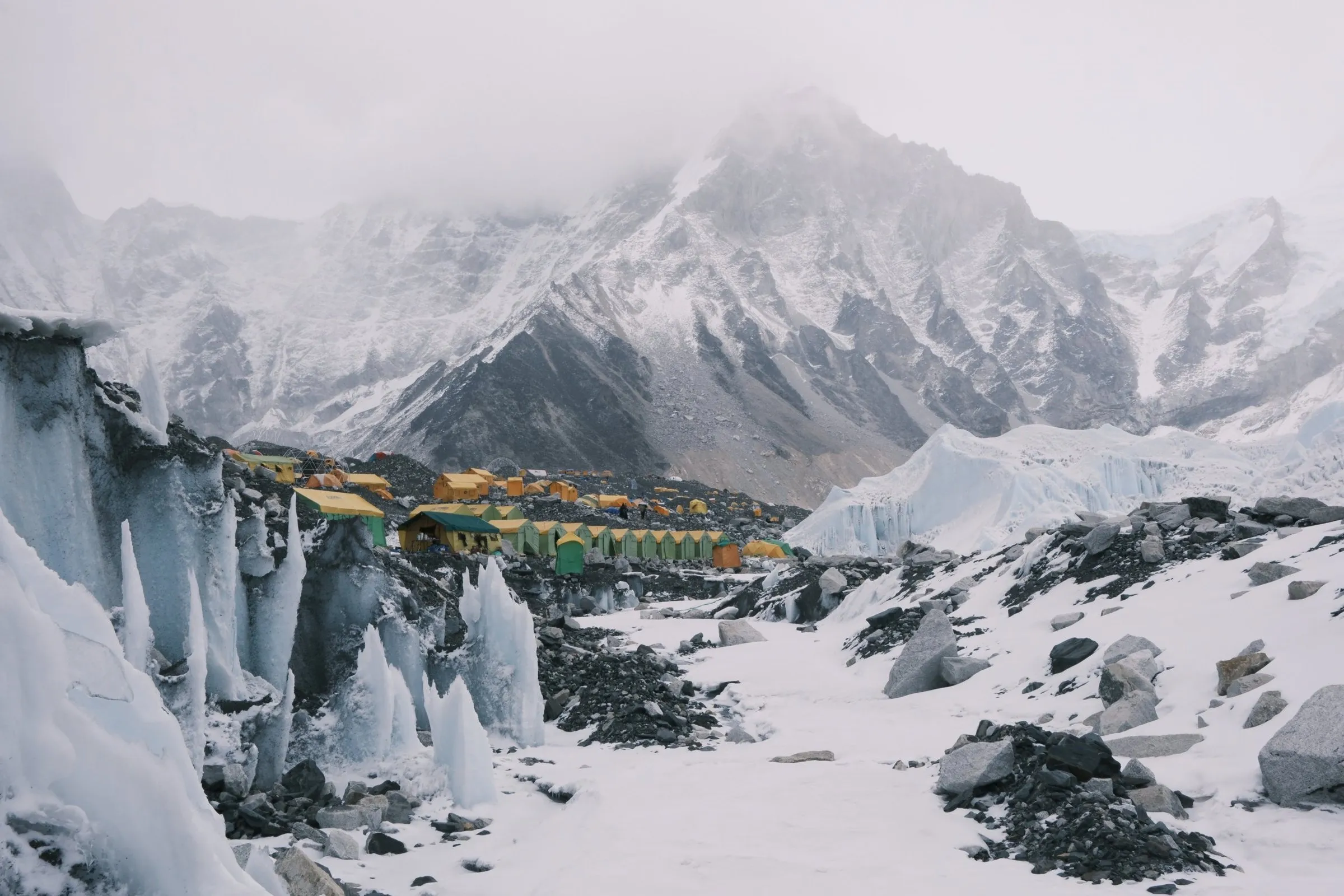
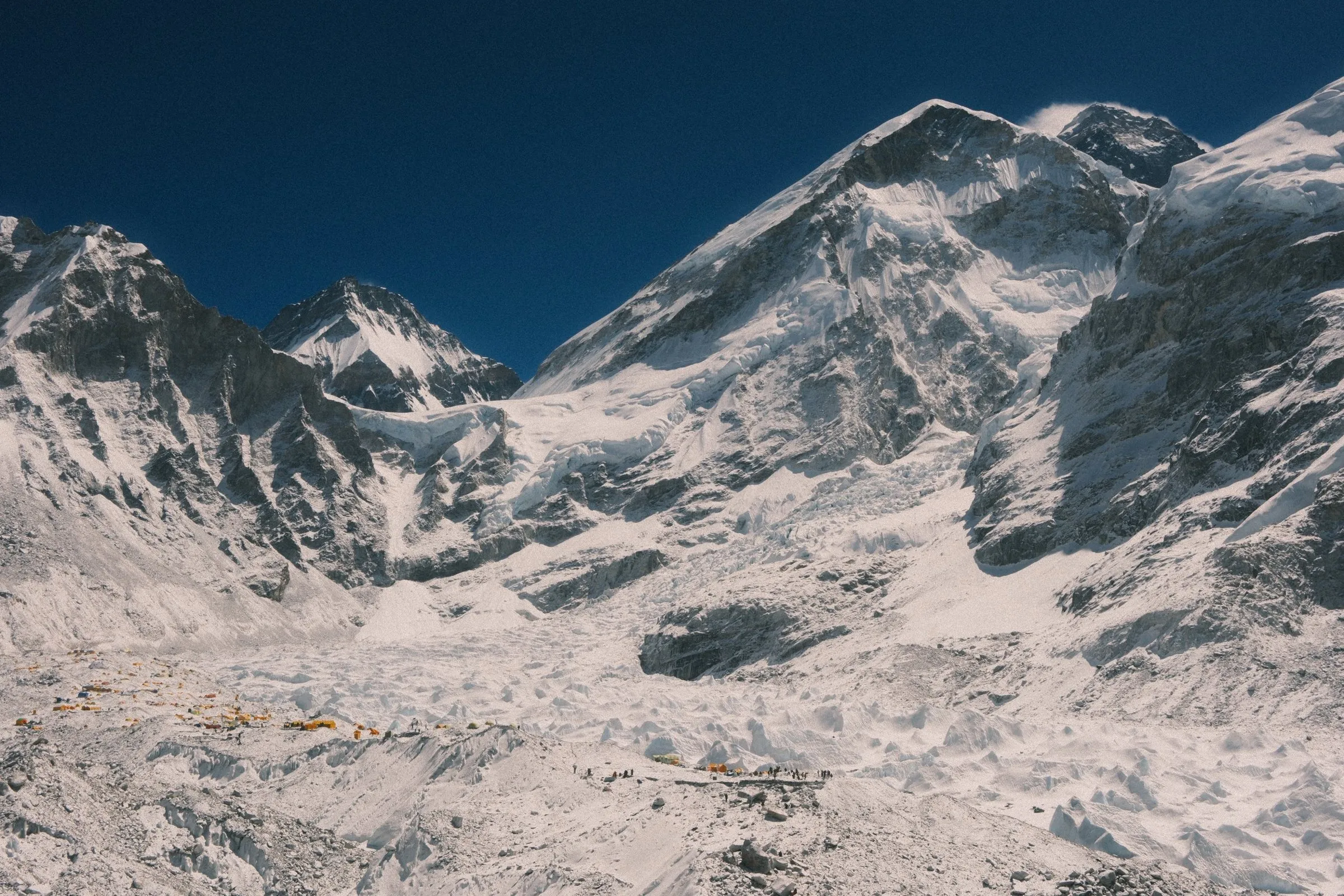
The path drops down into base camp, and it felt like arriving on a different planet. Large mounds of snow and rock. Tents scattered across the glacier. I walked past the Nimsdai tents, then Seven Summit Treks and the other big operators setting up for the season.
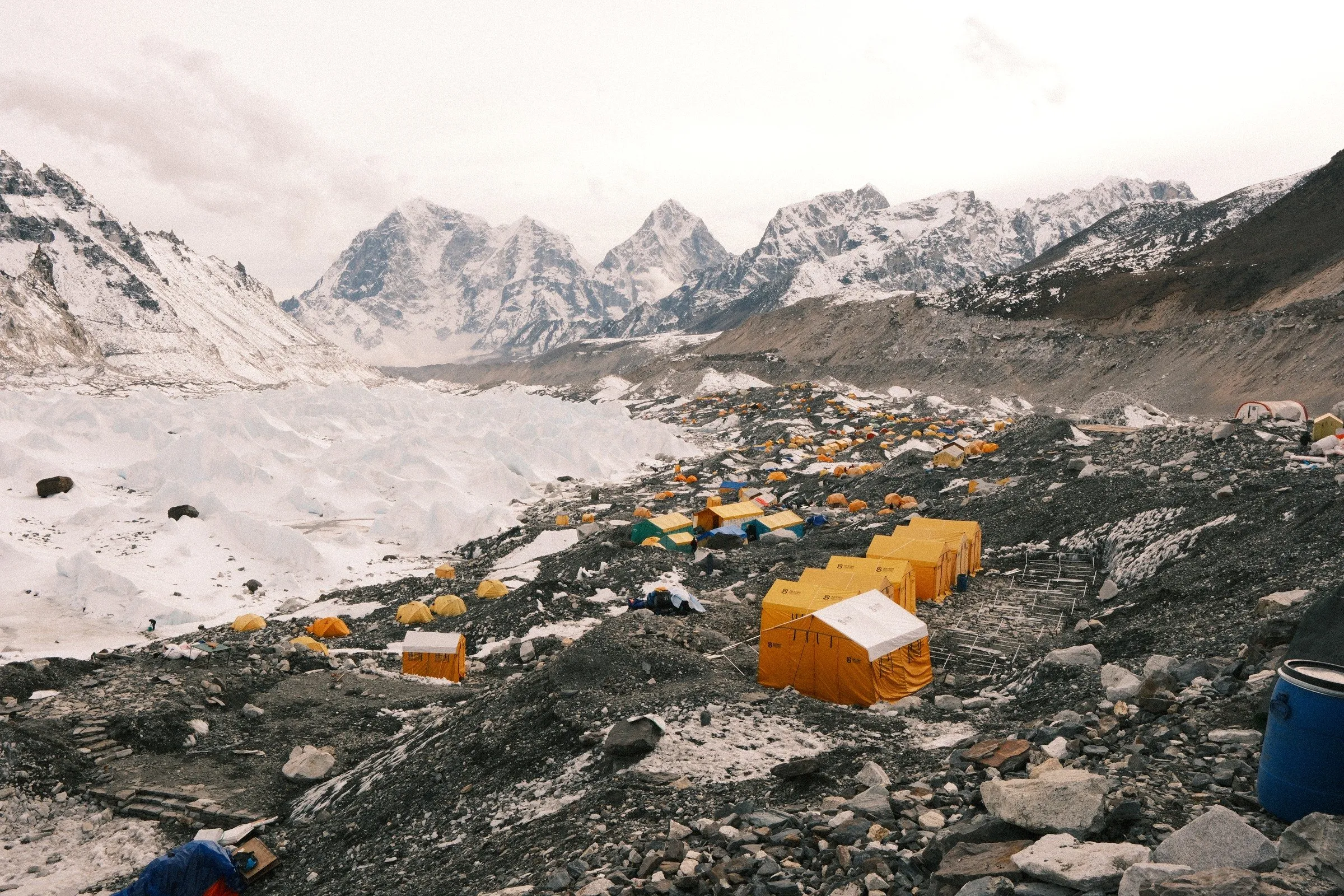
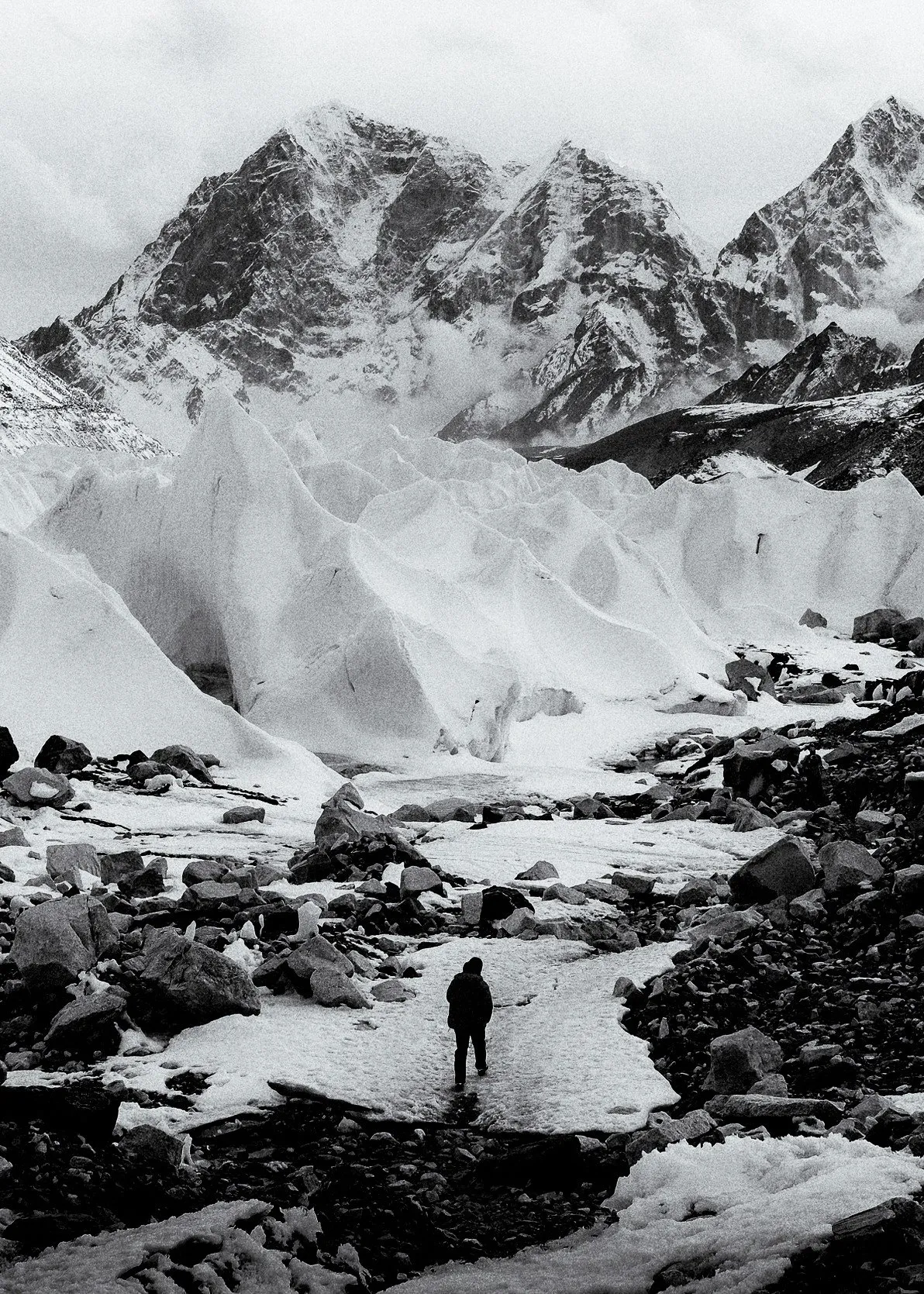
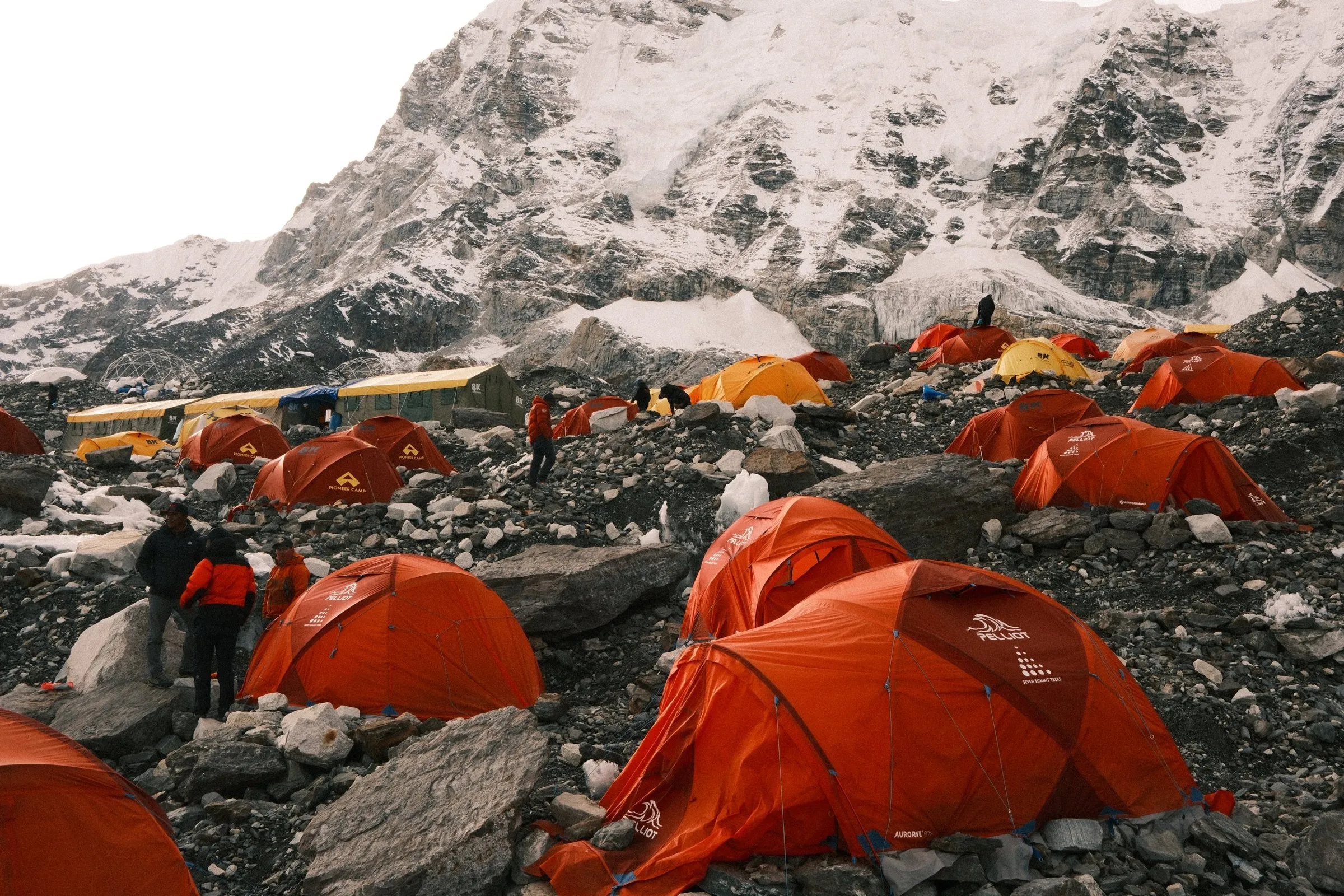
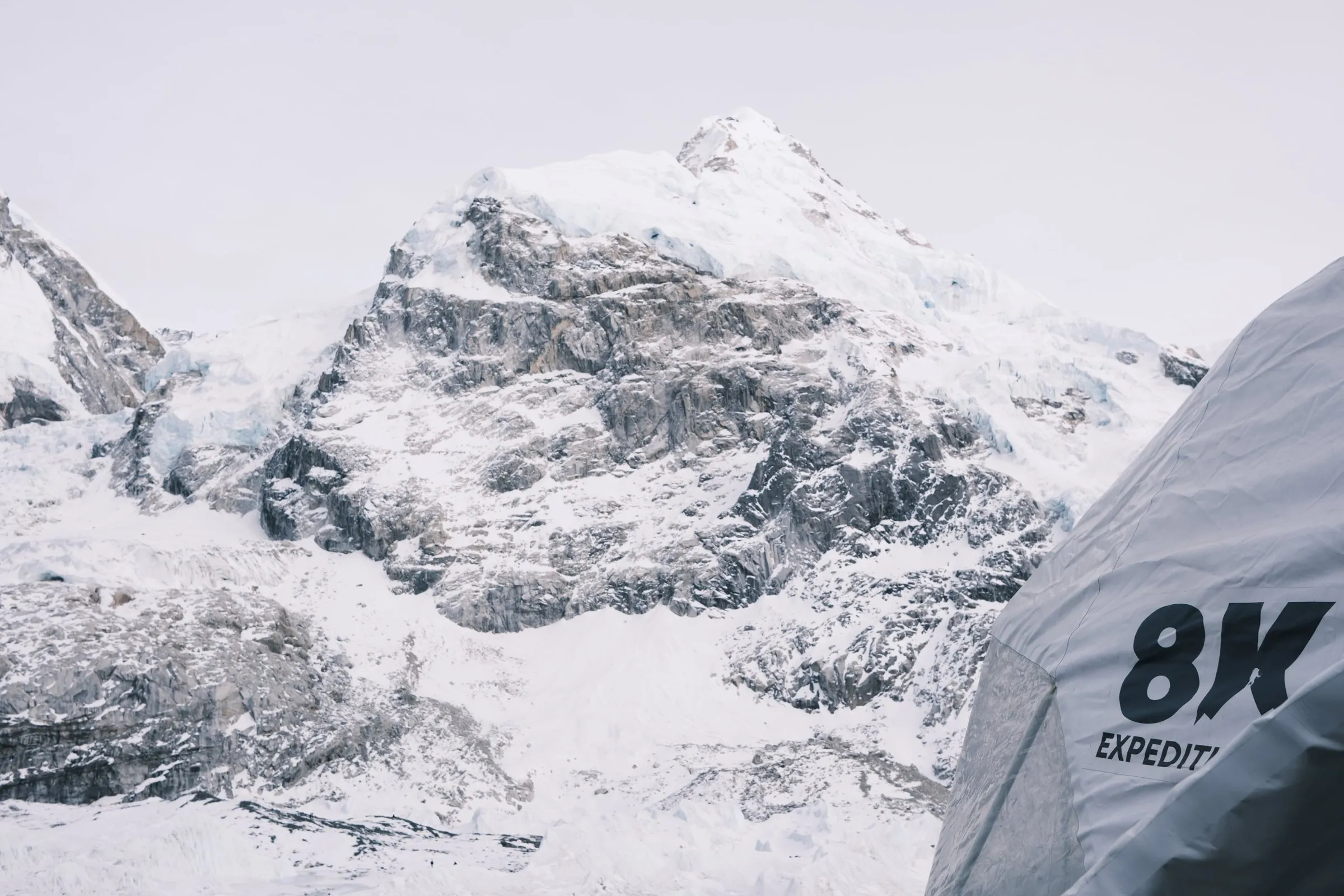
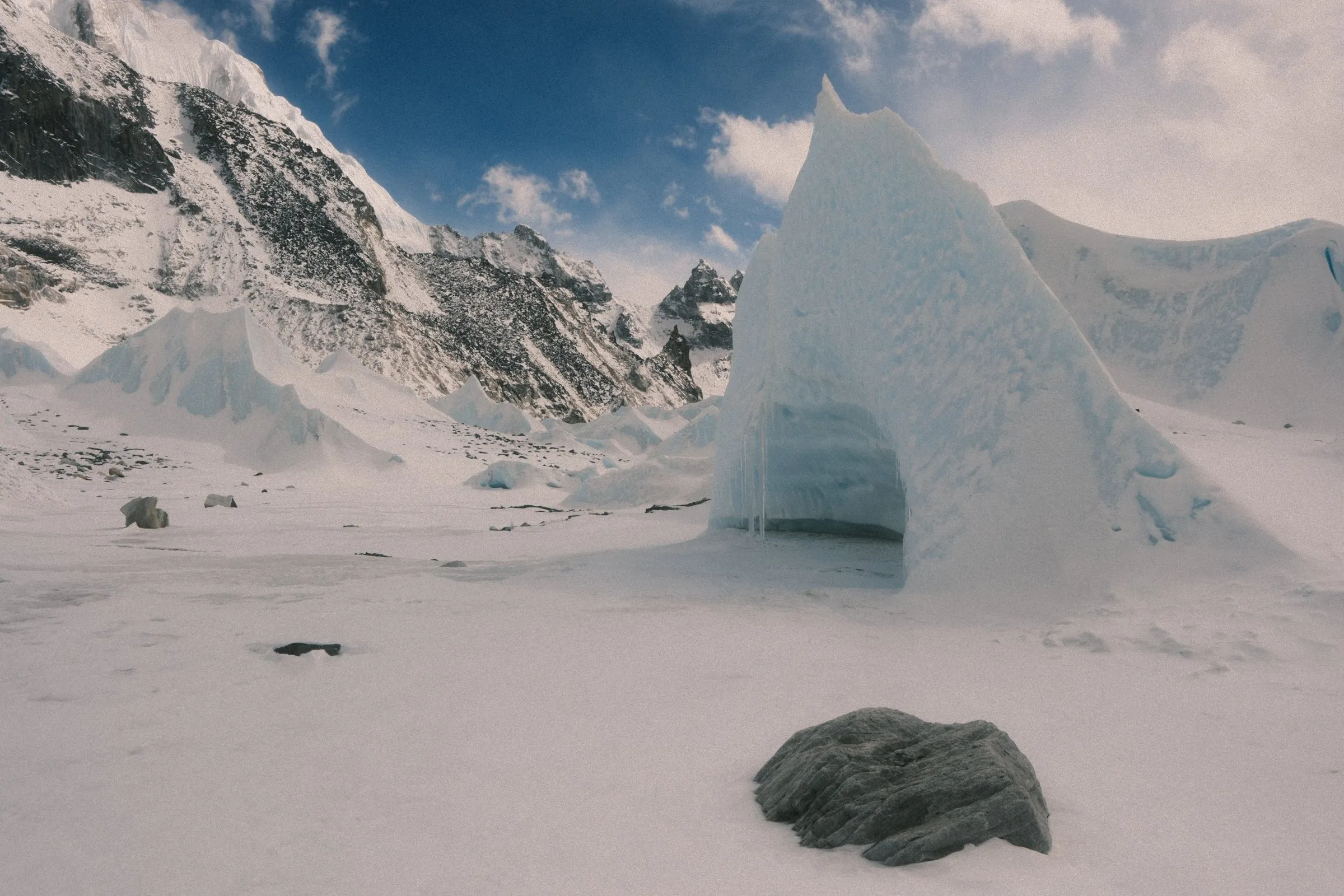
The camp sits in a valley surrounded by huge mountains. Right in front of you is the Khumbu Icefall, the route up to Camp 1 on Everest. Avalanches could be heard in the background, and you hear them before you work out where they are.
My tent and the Sherpa tent
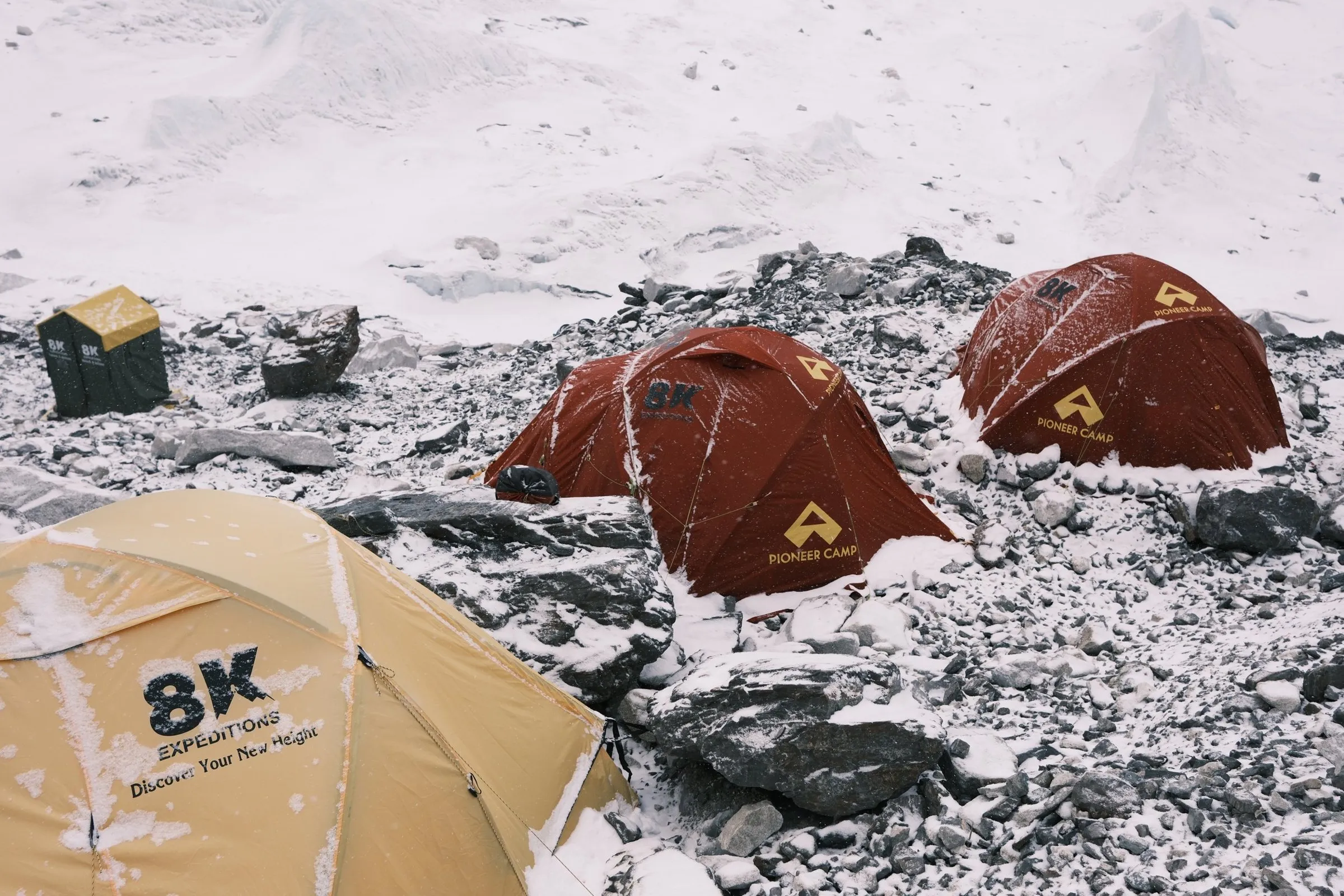
I expected something basic. My tent was the big green box tent: a large stand-up tent with a mattress and a table, spacious and comfortable. The Sherpas slept in the smaller red and yellow tents around it. After weeks of tea houses, it felt good.
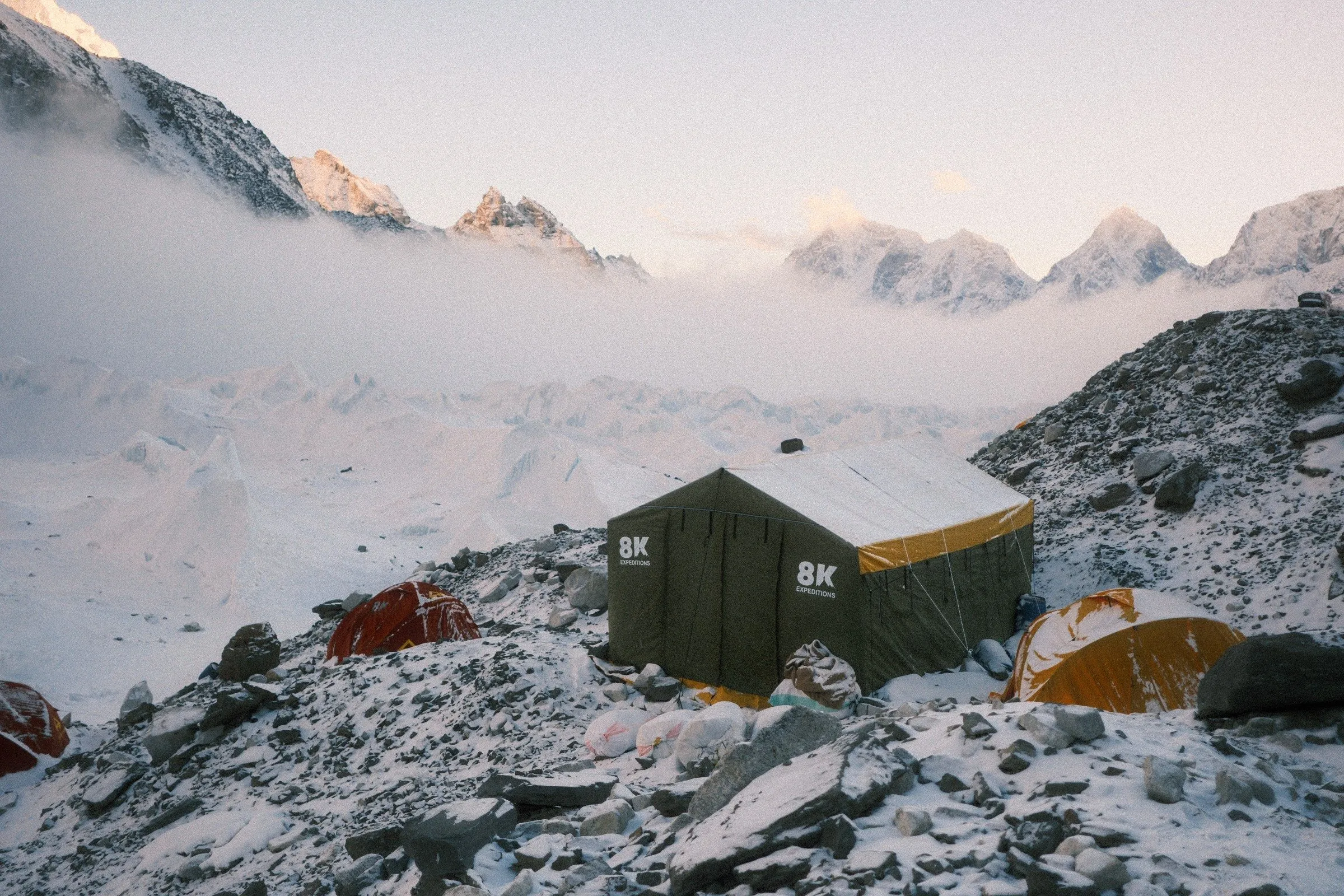
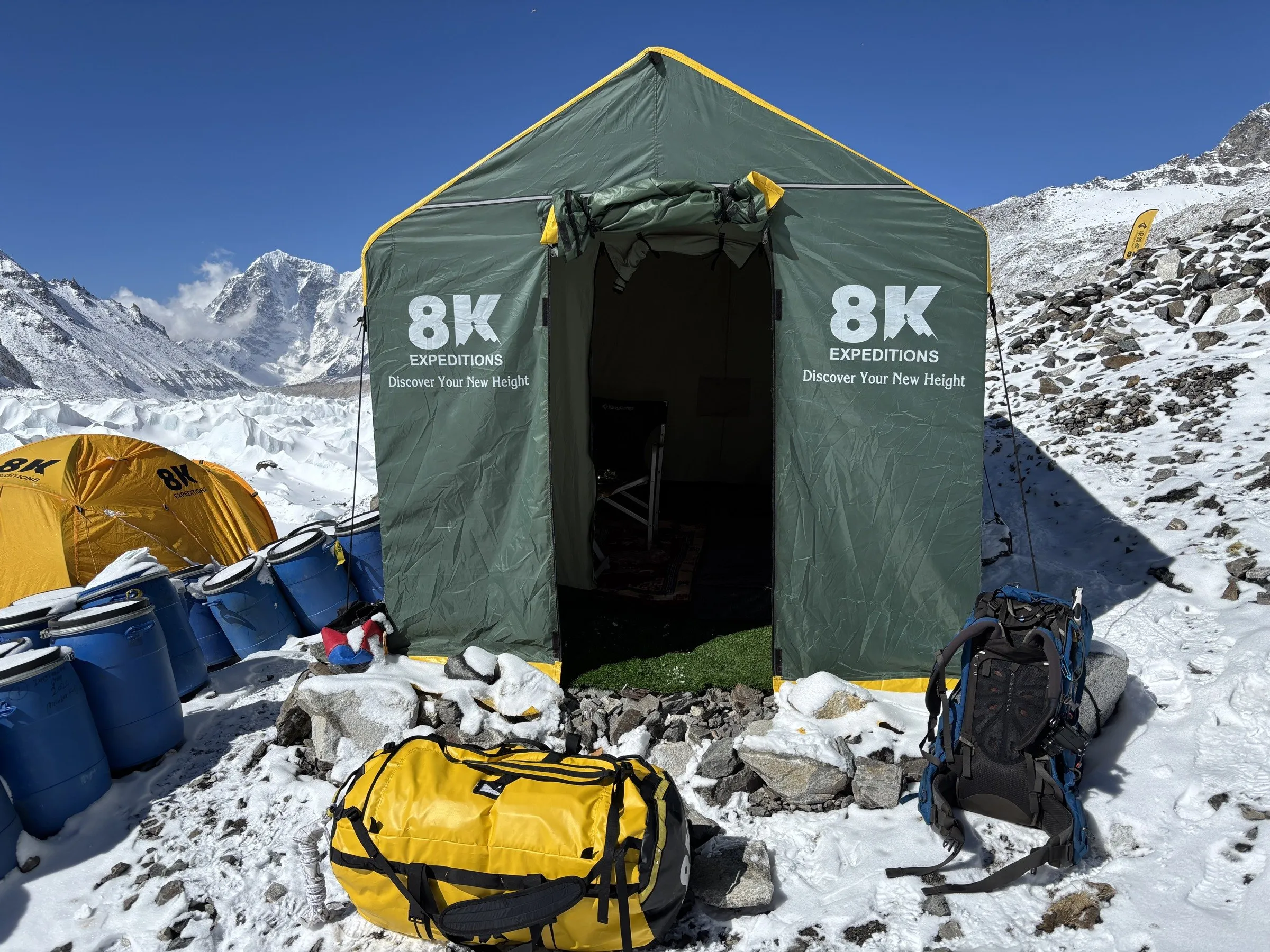
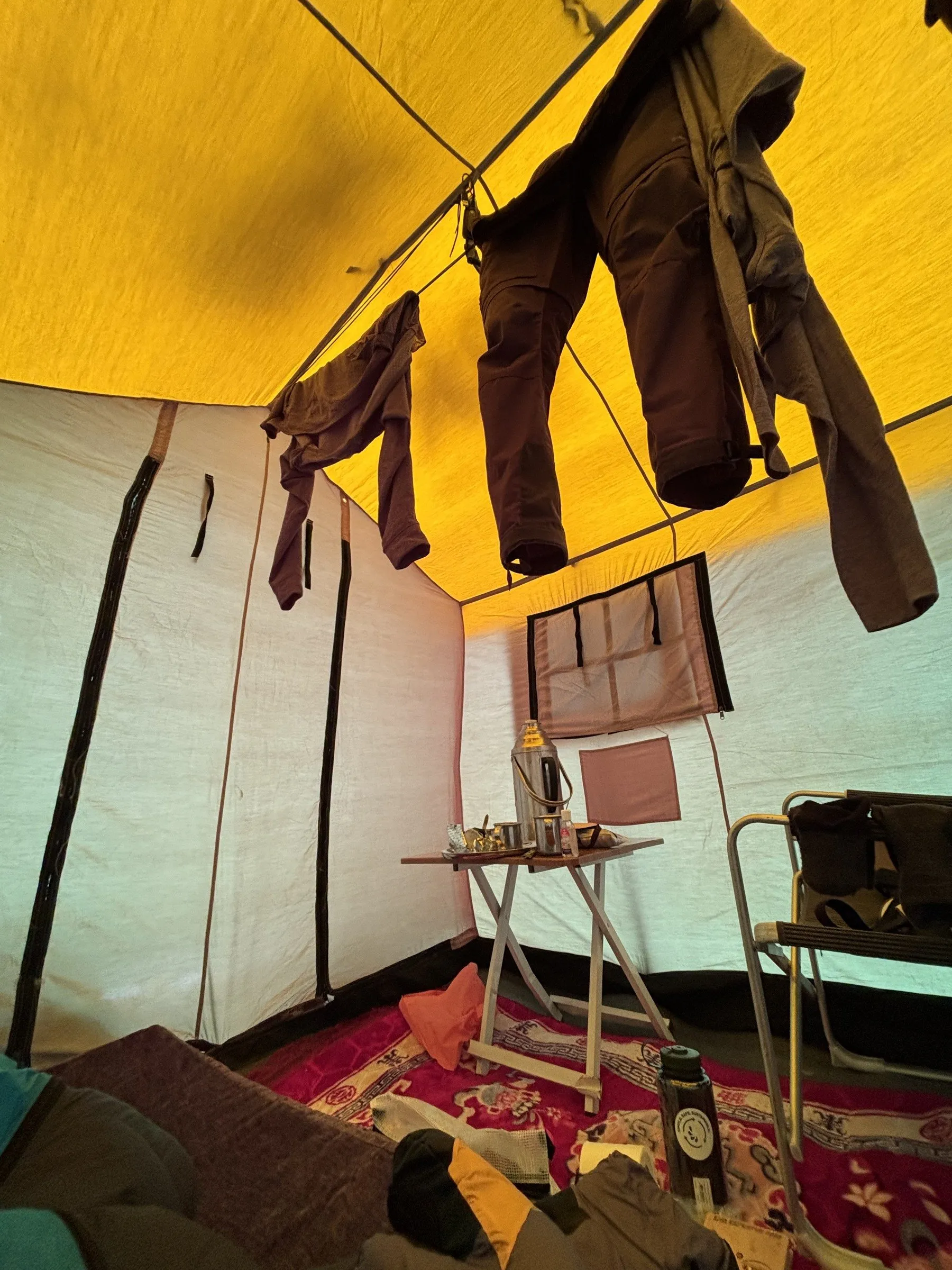
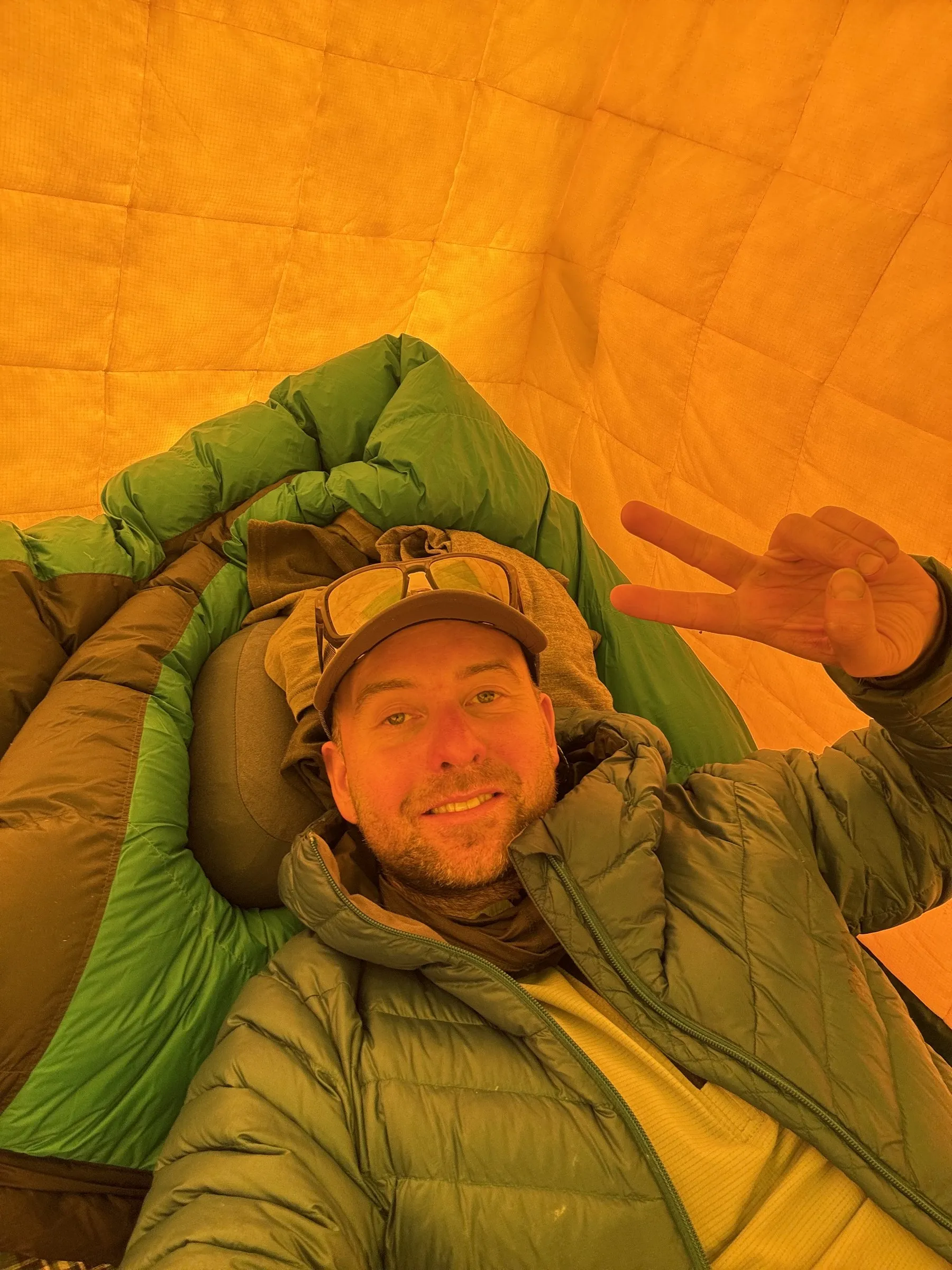
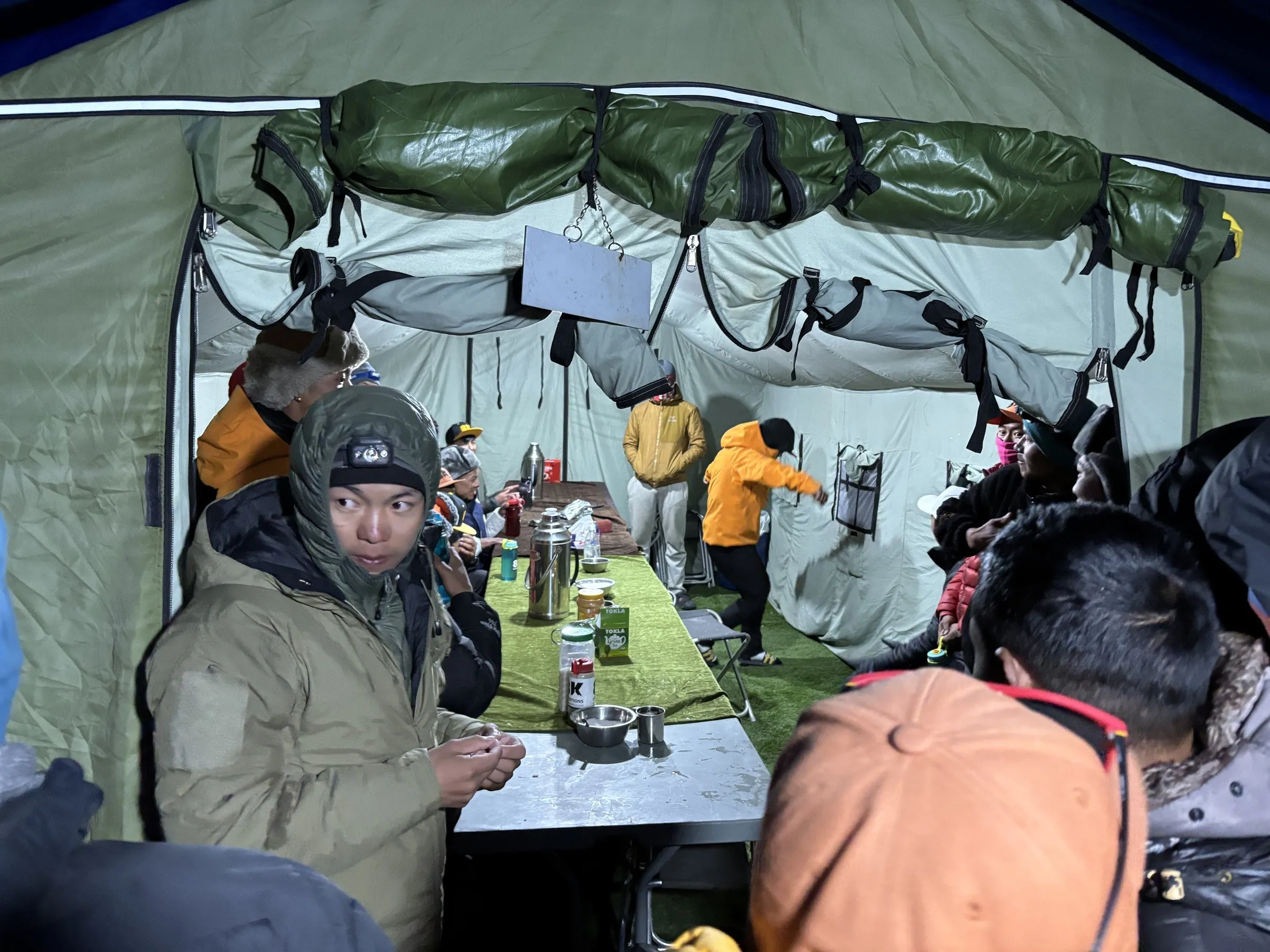
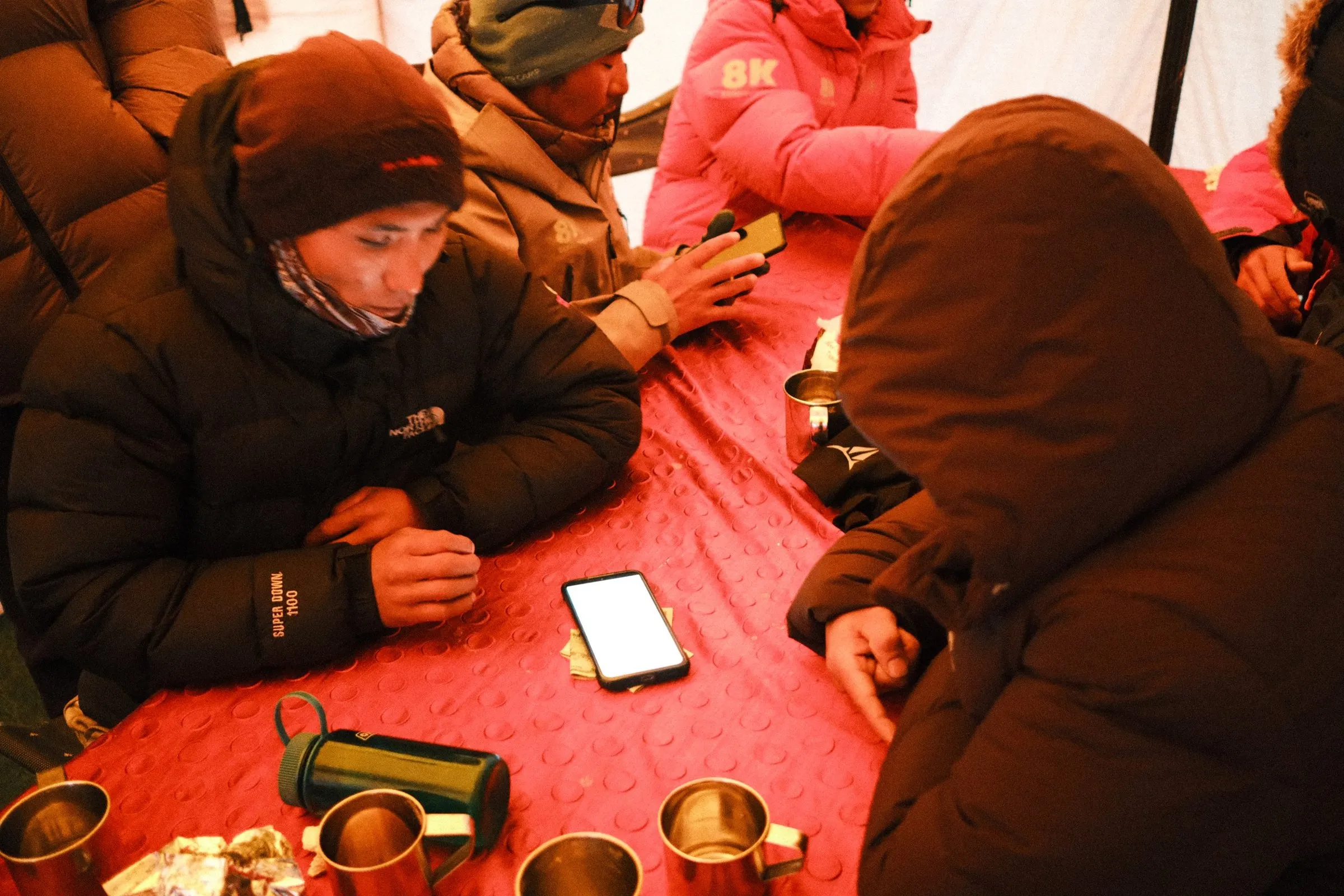
The centre of camp life was the Sherpa tent. Around 60 Sherpas ate there, and hung out all day and evening between work shifts. Living alongside them for a few days, I got to see how the team actually works day to day.
Building the camp
Base camp sits on the Khumbu Glacier, so nothing is flat. Before a tent can go up, the ground has to be dug out, cleared of ice and rock, and levelled.
Pemba, the operations manager, decided where everything went. He walked around the site all day, directing the Sherpa team. Part of the job is finding the right spots on the glacier for each tent, kitchen and store before the busy season begins.
What surprised me was how much of it is done by hand. The team drove metal bars into the ground to break up the rock and ice, then levelled each platform piece by piece. It was very manual work.
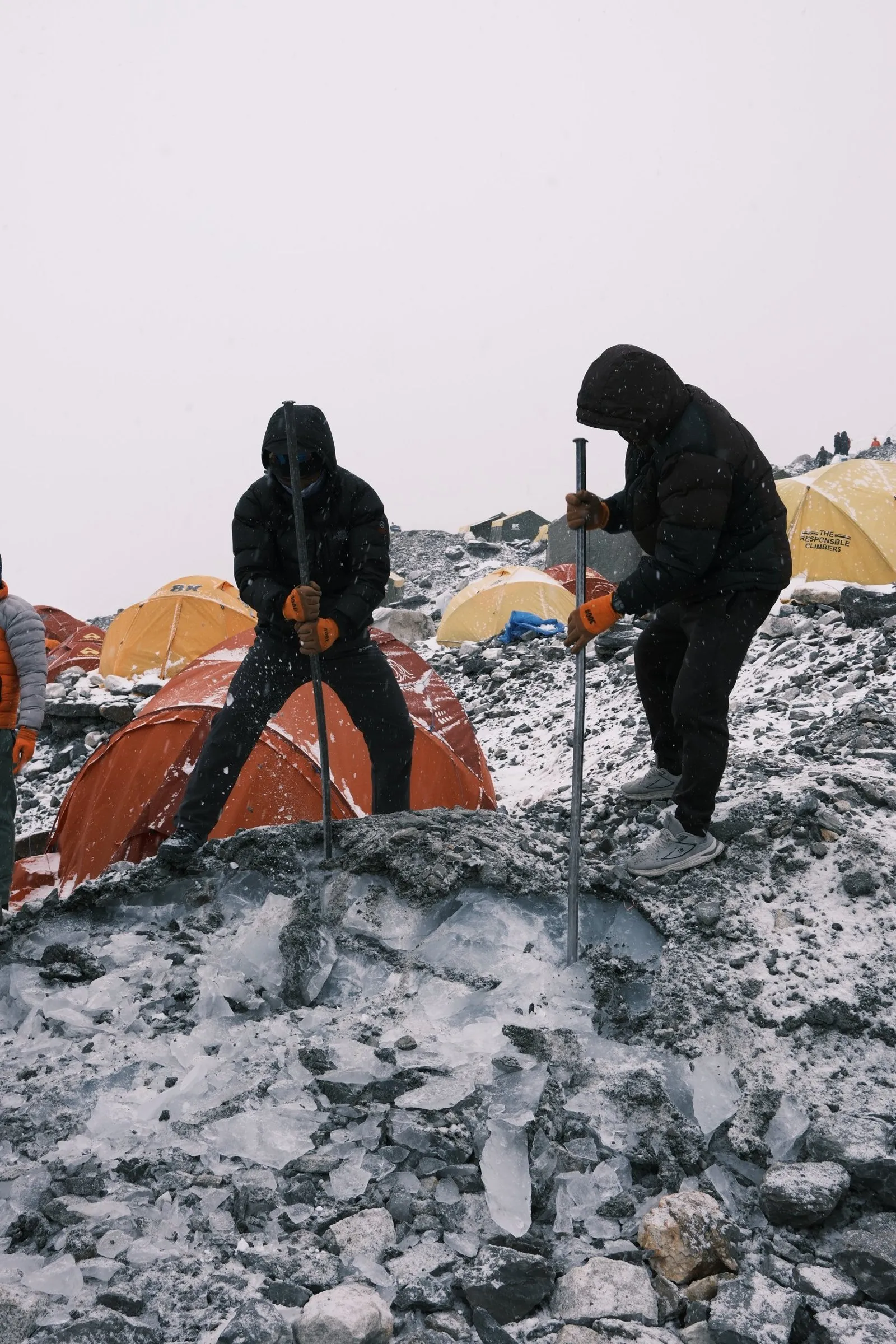
The digging and levelling took many days. Setup had been delayed, partly because of Nepal’s parliamentary elections, so the team was rushing to have everything ready in time for the expedition.
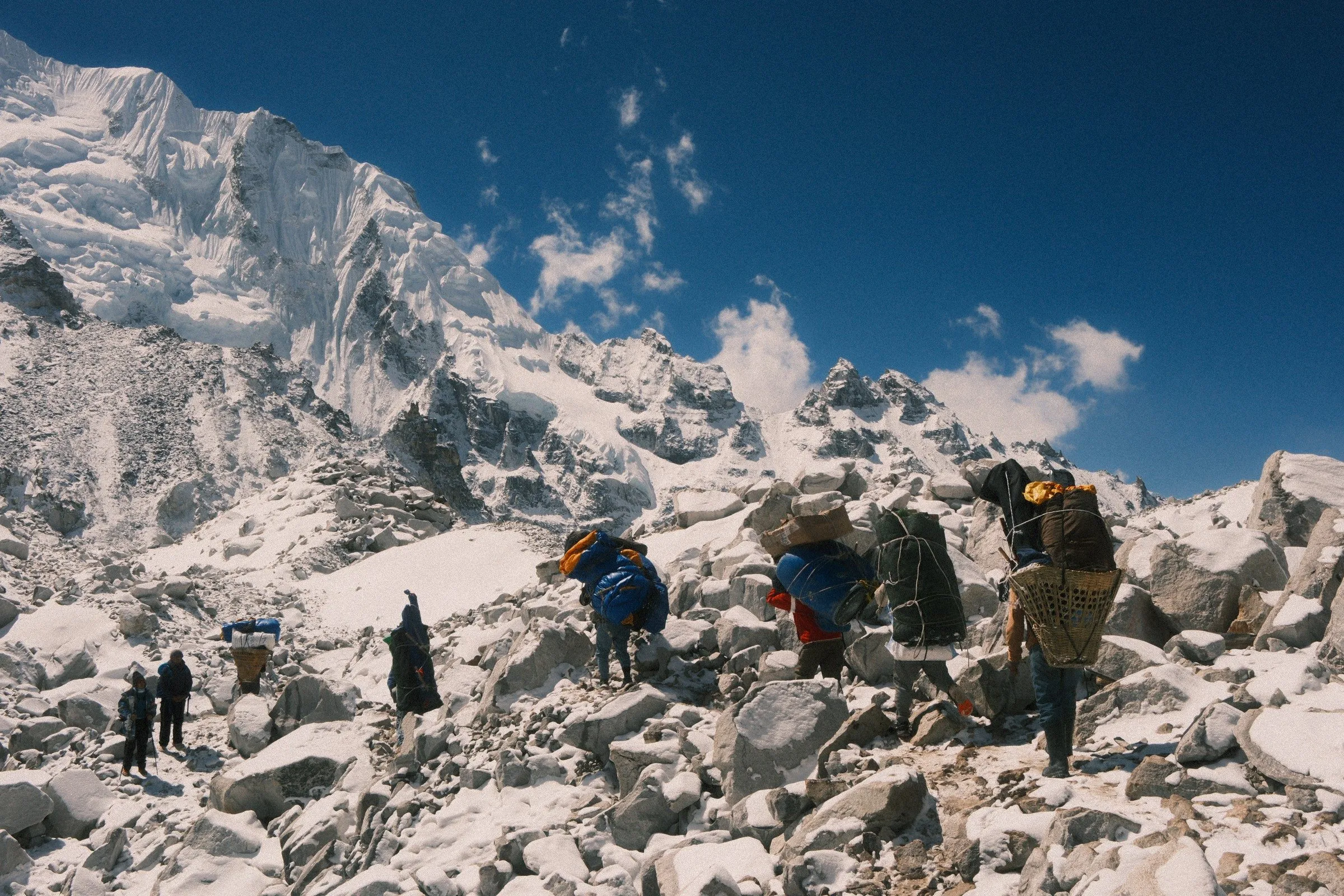
A shout-out, too, to the porters. They work incredibly hard carrying everything up to the camps, and they’re some of the hidden heroes of every expedition.
The dome tents go up
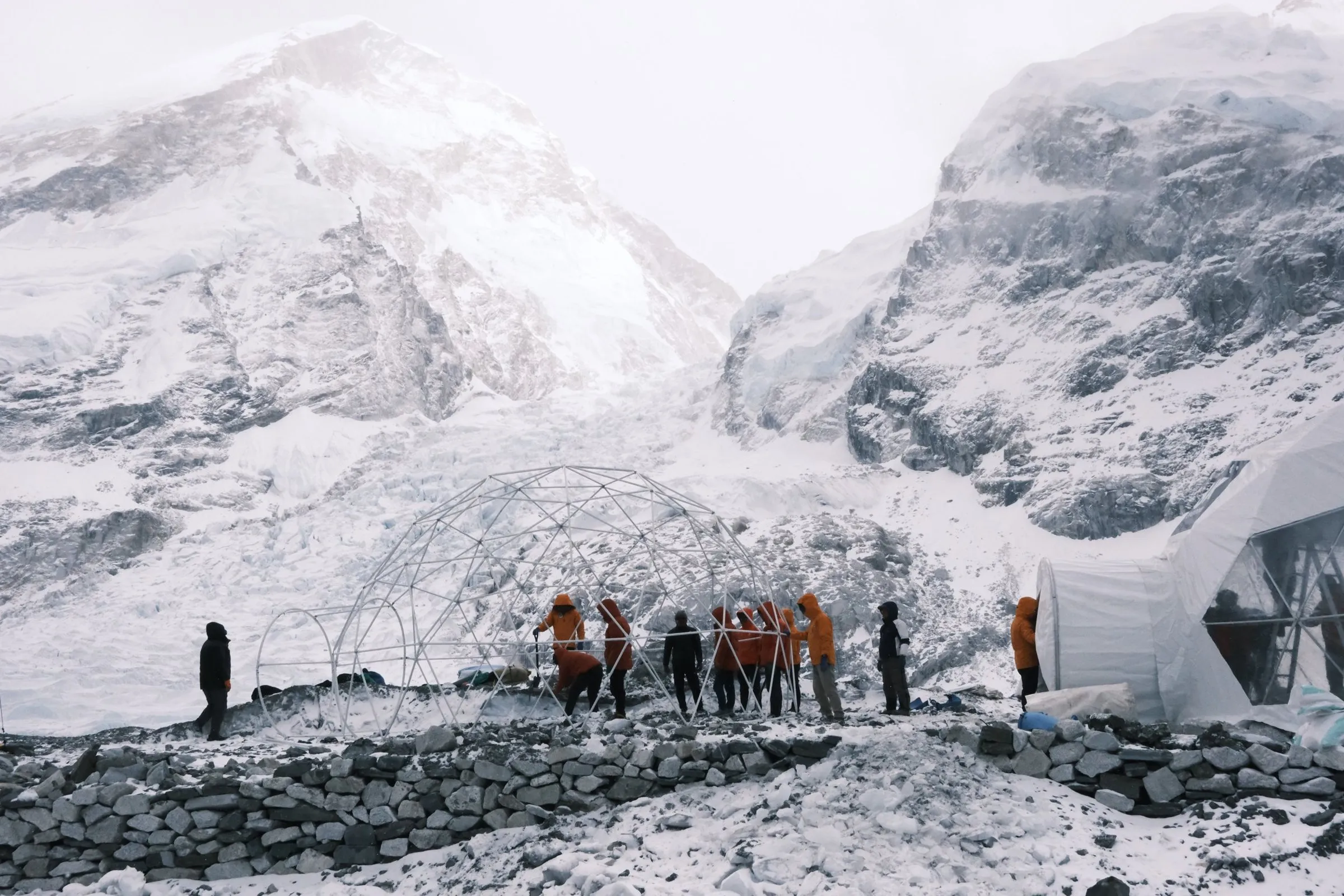
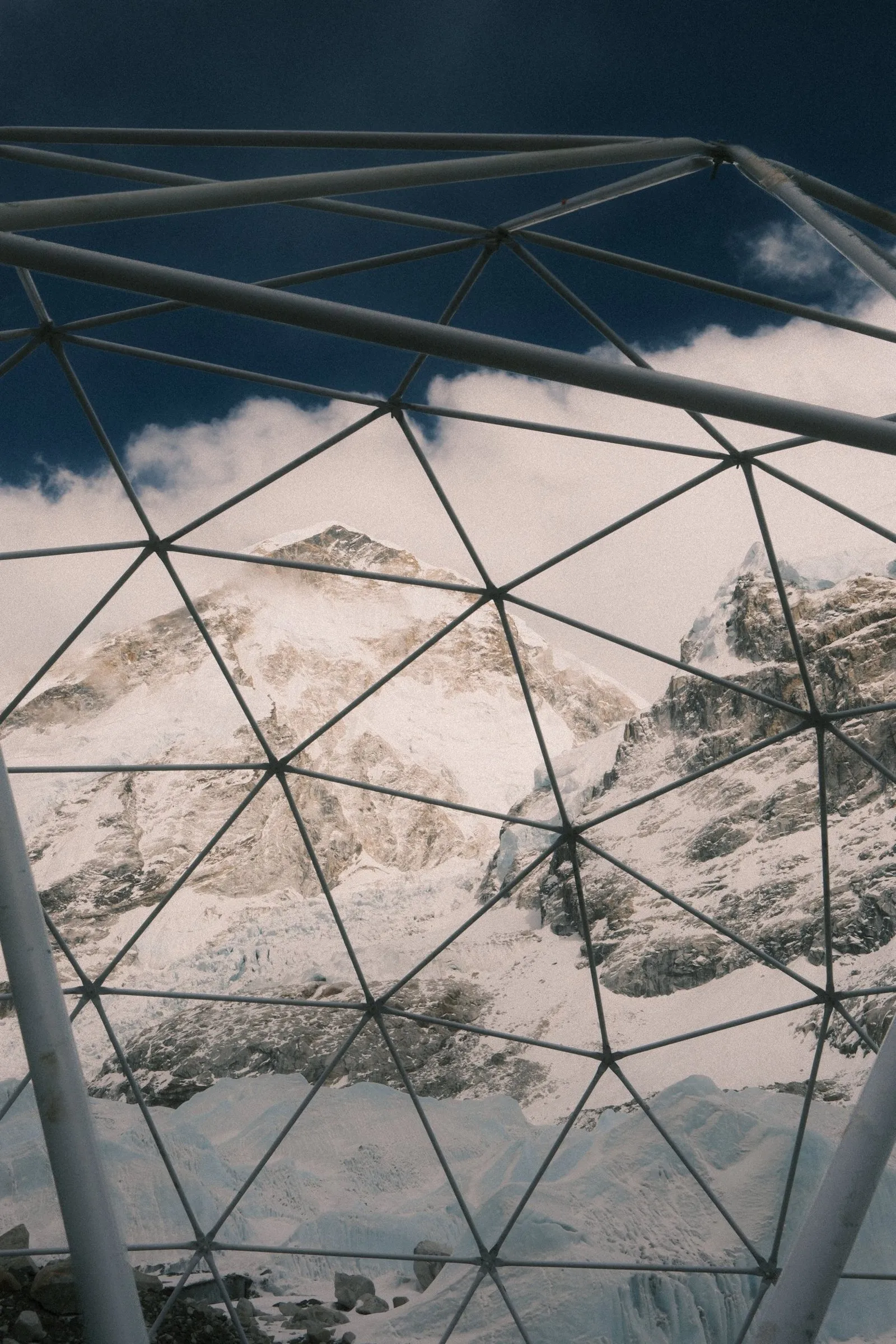
The dome tents take inspiration from the yurts of Central Asia. The frame is made of metal poles that intersect to form a strong structure.
Building one takes a whole team. Sherpas stand on ladders to reach the top of the frame and fit the poles into place, while others hold the structure from below.
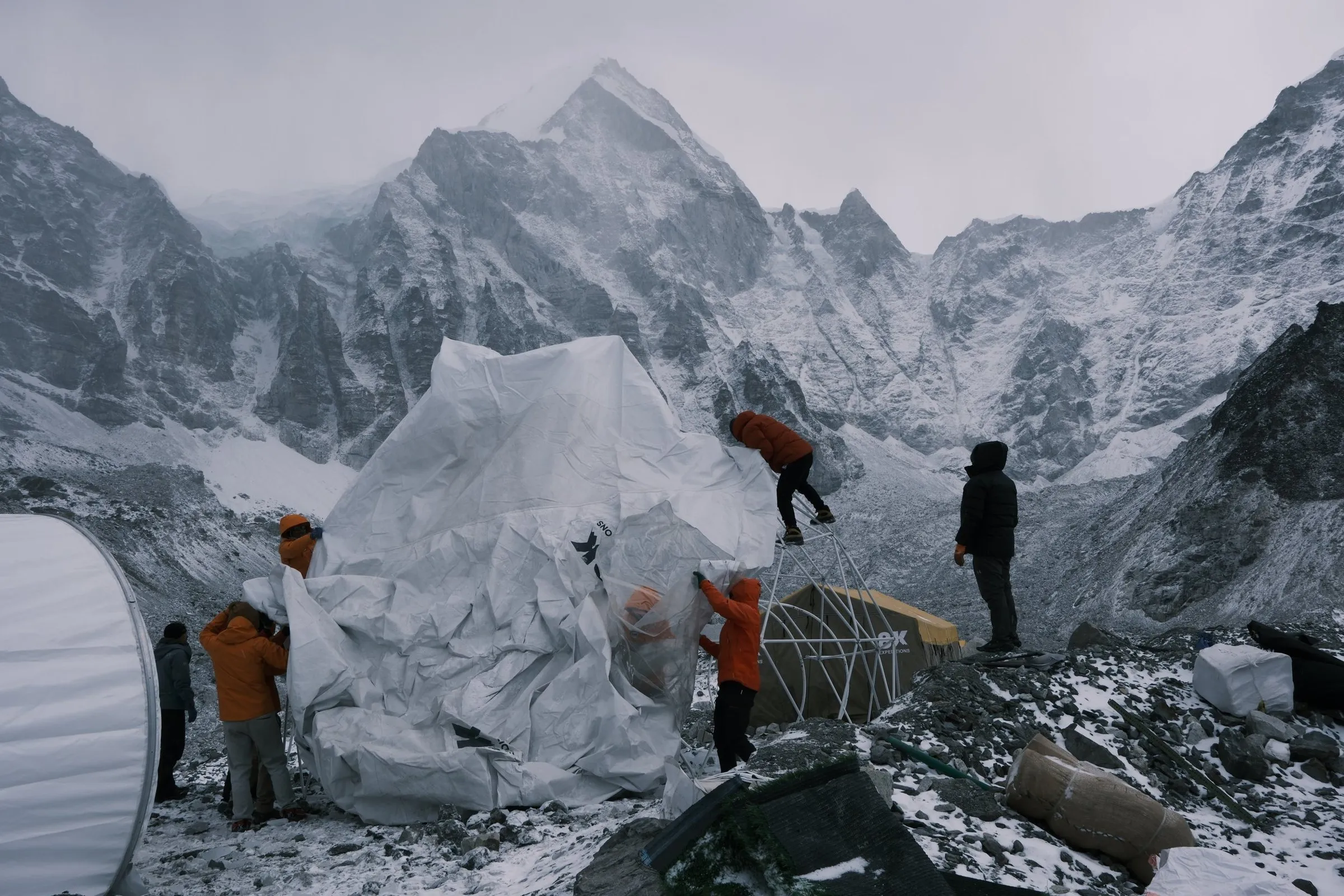
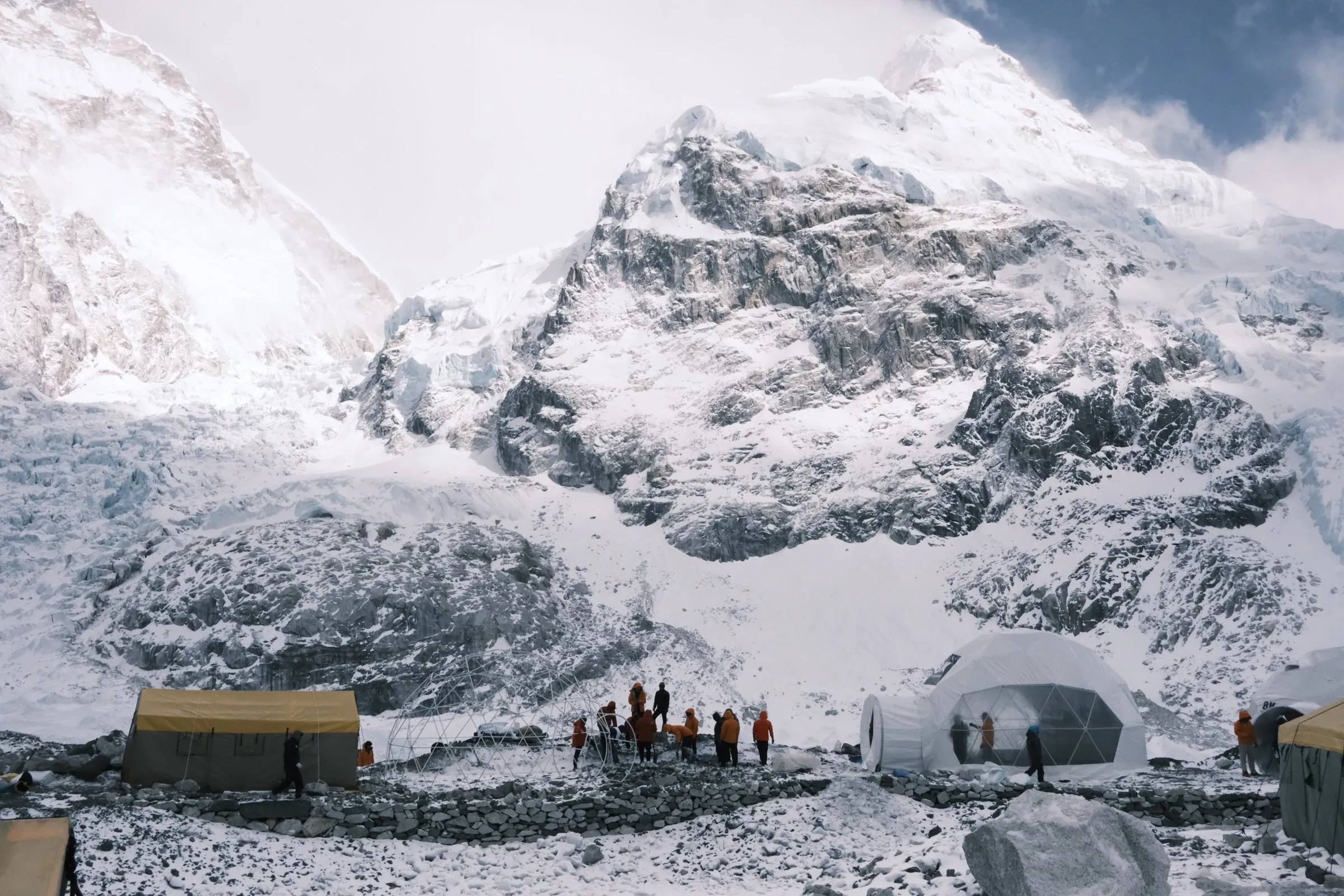
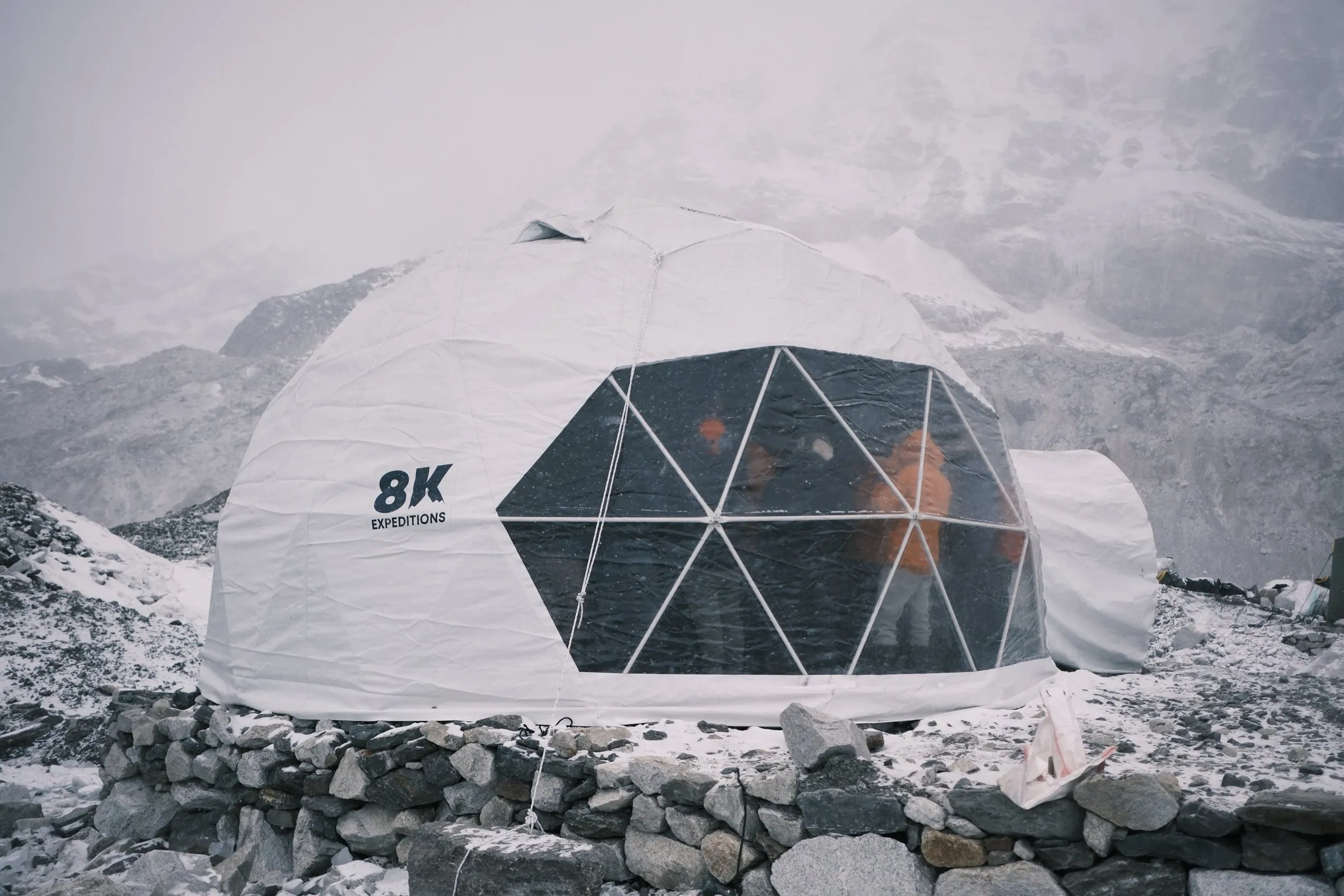
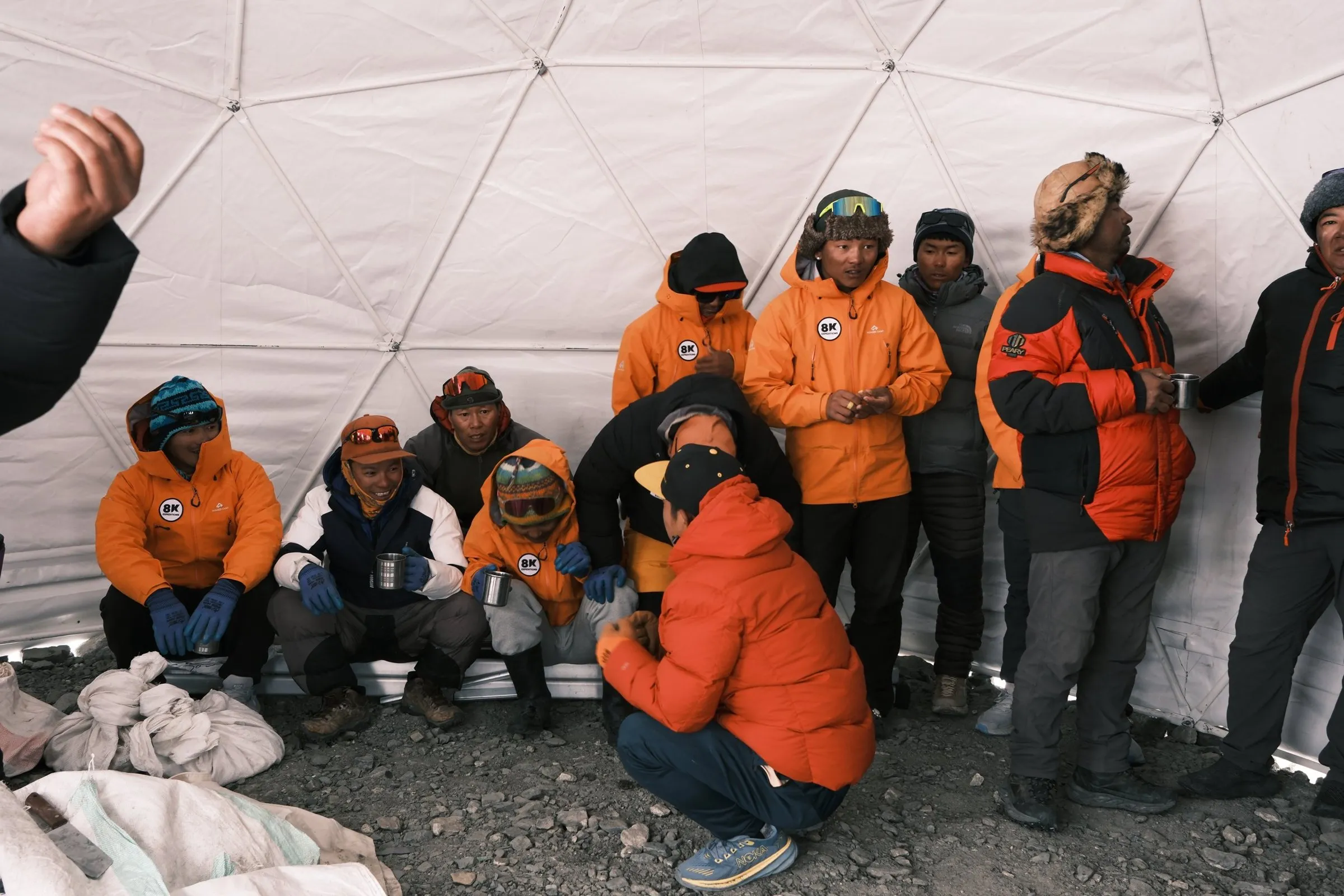
Here are Temba and a group of Sherpas inside one of the domes, just after it was built.
The kitchens
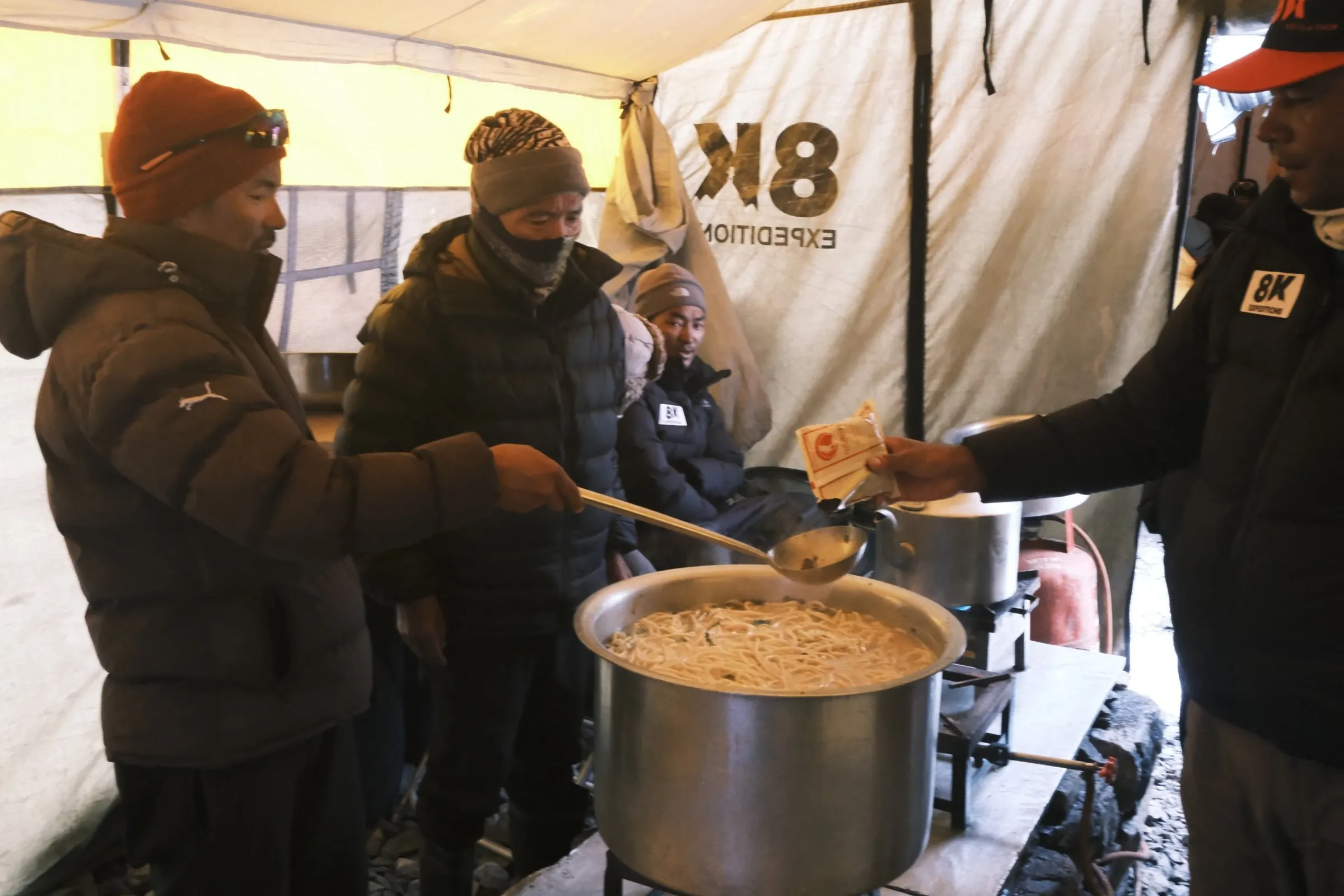
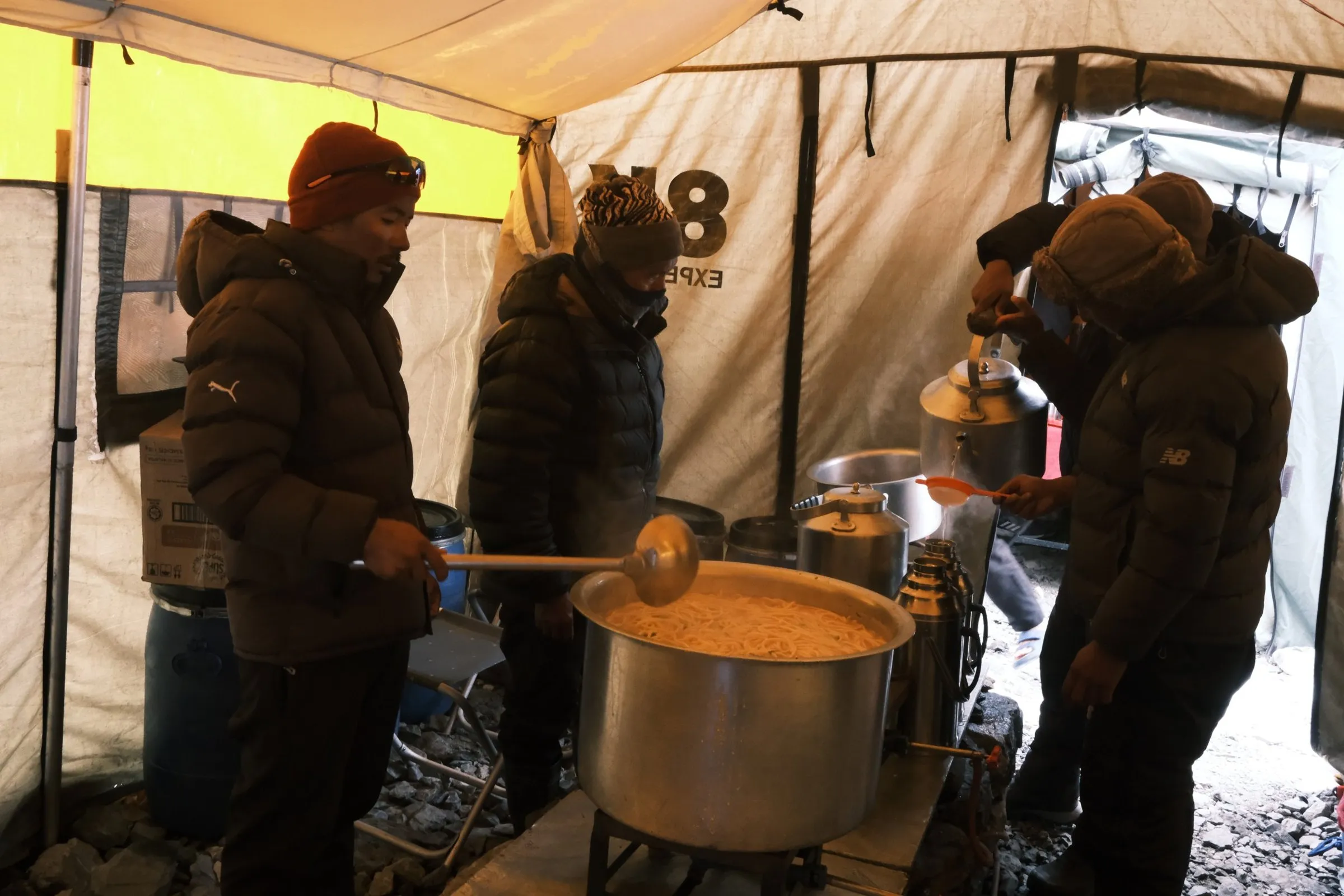
Multiple cooks were cooking for the Sherpa team. It was mainly dal bhat, with Sherpa stew and other Nepali food. Breakfast was in the morning and dinner around 5pm. Tea was always on the table, along with lemon, honey and instant coffee.
The cooks fed around 60 people from big pots and vats of rice. Water was always boiling, and they worked throughout the day.
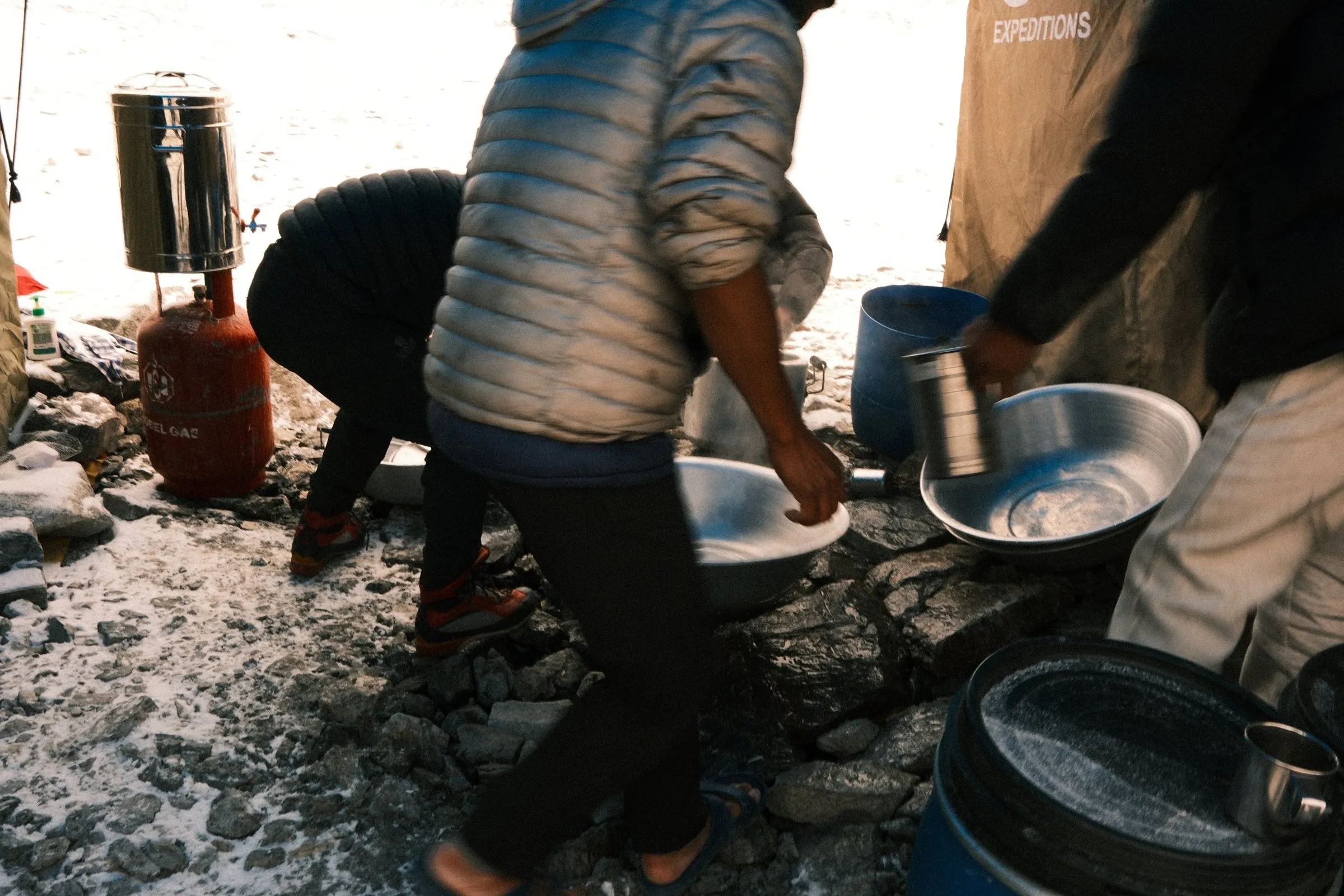
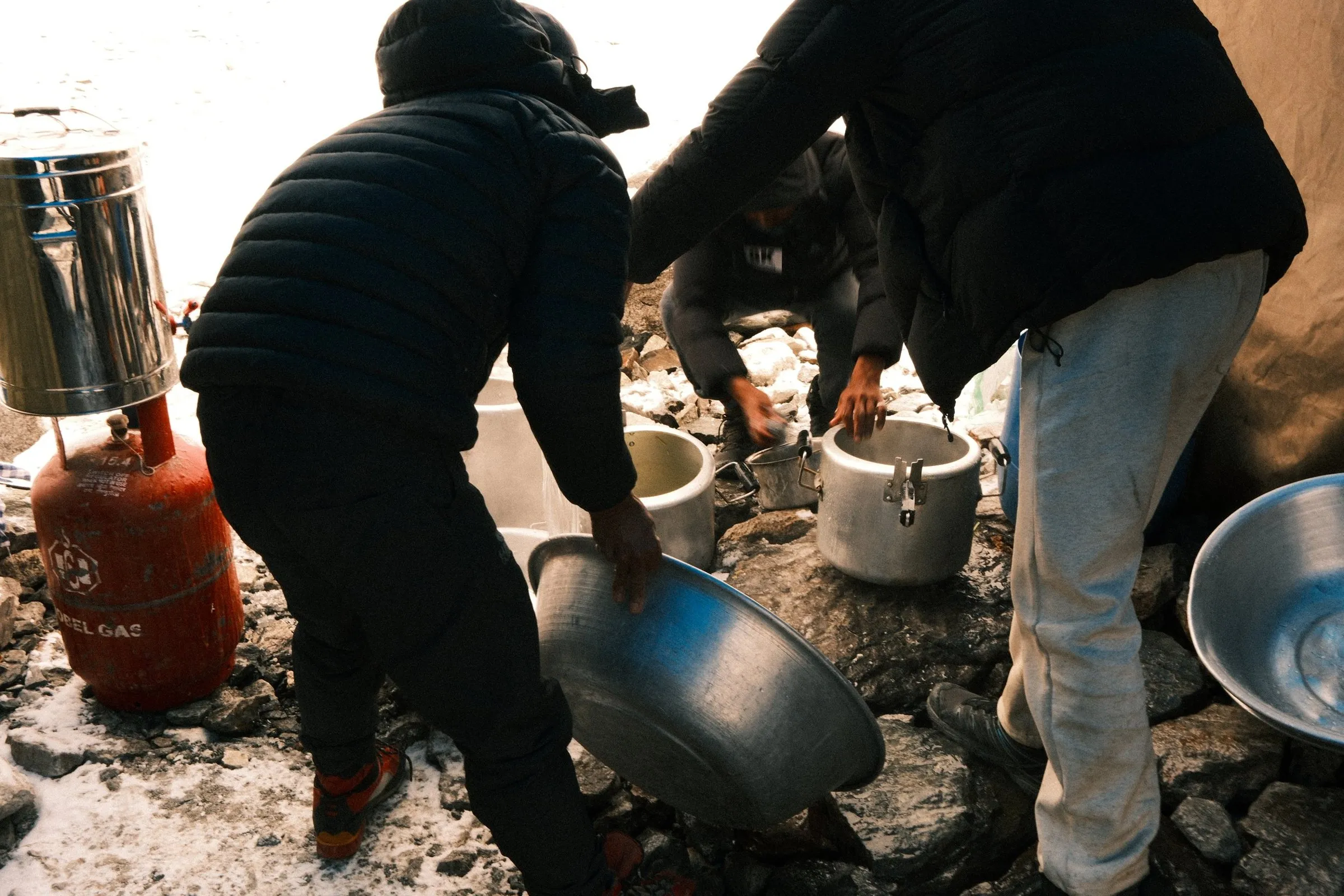
Other cooks were setting up separate kitchens, which would later feed the climbing teams: Asian, Indian and Western. They were installing the gas, the tables and the worktops, and storing food outside in blue barrels.
Khumbu Icefall training with Temba
This was where I first met Temba Pinasa Sherpa, one of 8K’s expedition guides. He ran my training on the Khumbu Icefall. He’s quiet but confident, and one of the most experienced Sherpas on the mountain.
We practised ascending, traversing and descending on fixed ropes, using crampons and a descender, and getting comfortable on the icefall. We also double-checked all of my climbing equipment.
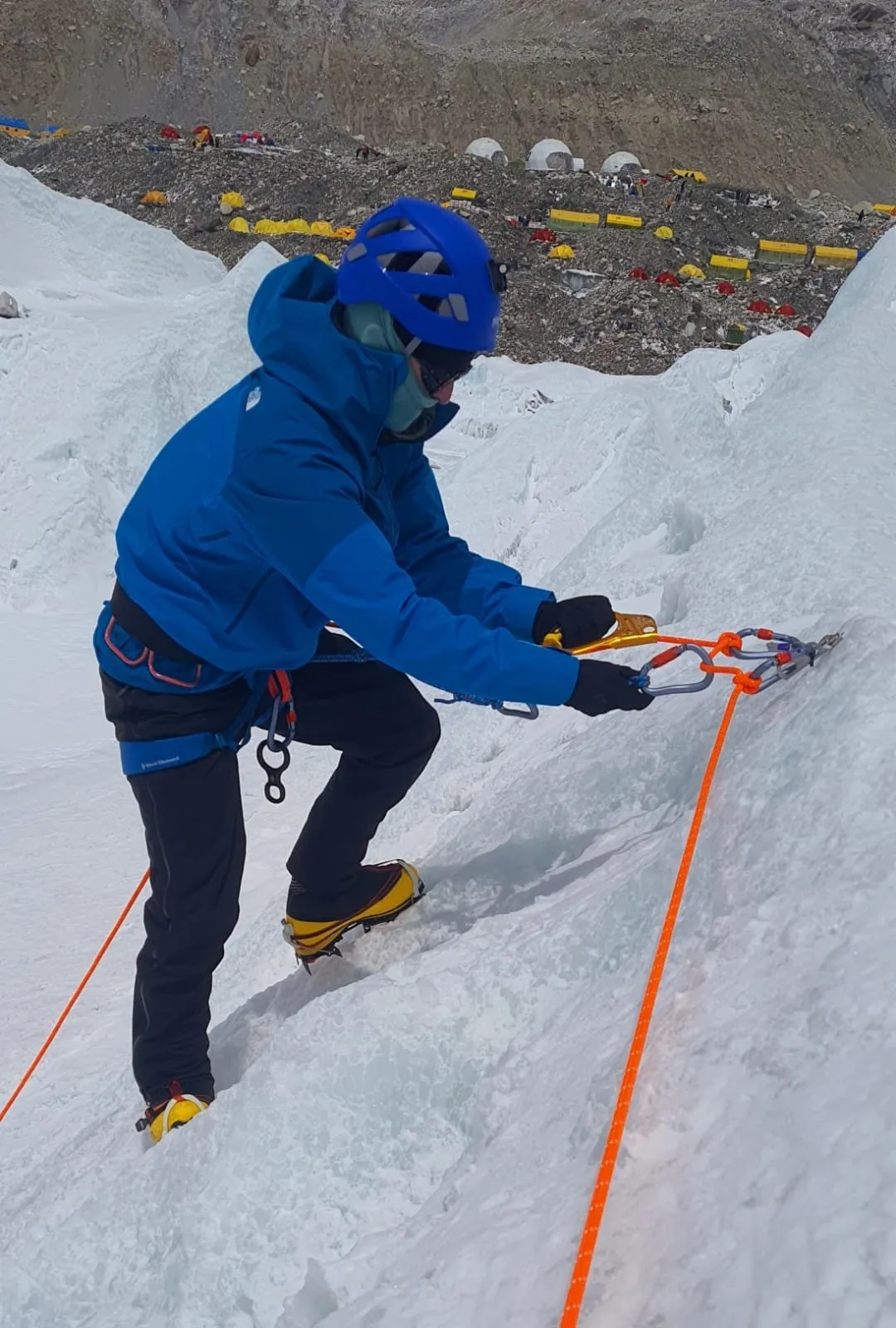
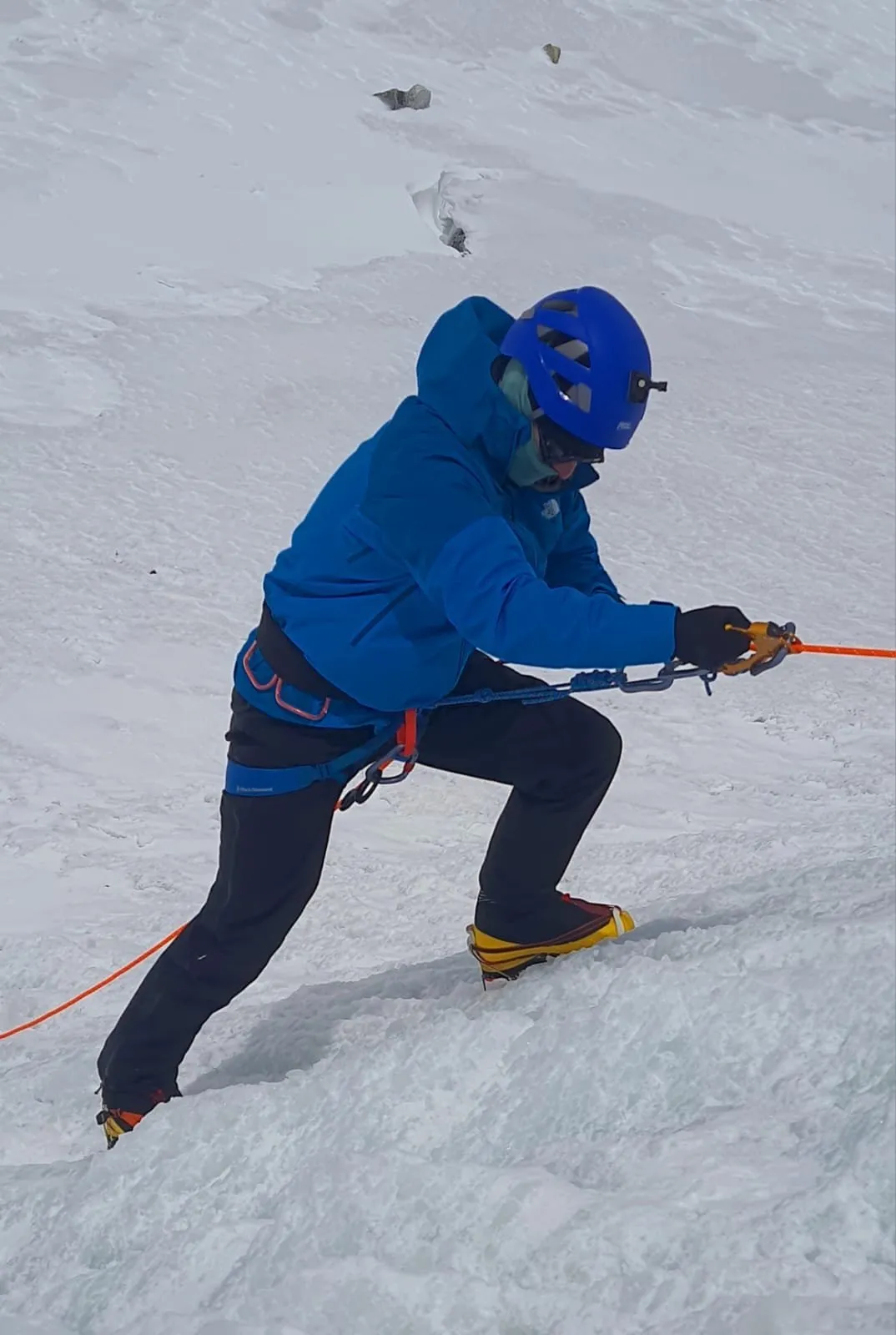
The training was my best time with him. He was never going to let me take a wrong step, and he made sure I followed best practice every time. On a mountain like this that matters, and I had the best teacher I could have asked for.
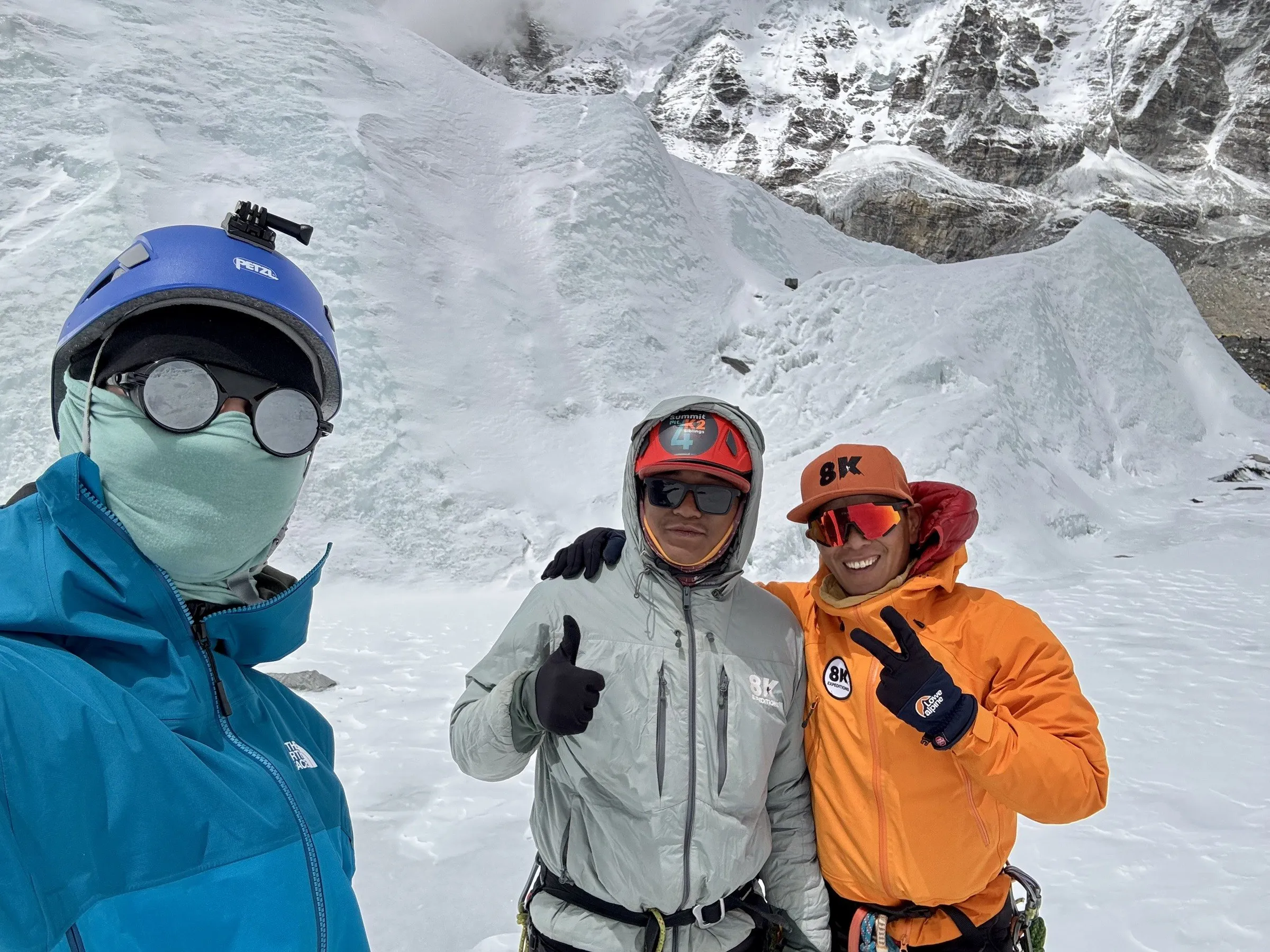
I went on to climb Island Peak, Lobuche East and Manaslu with Temba this year. It started here.
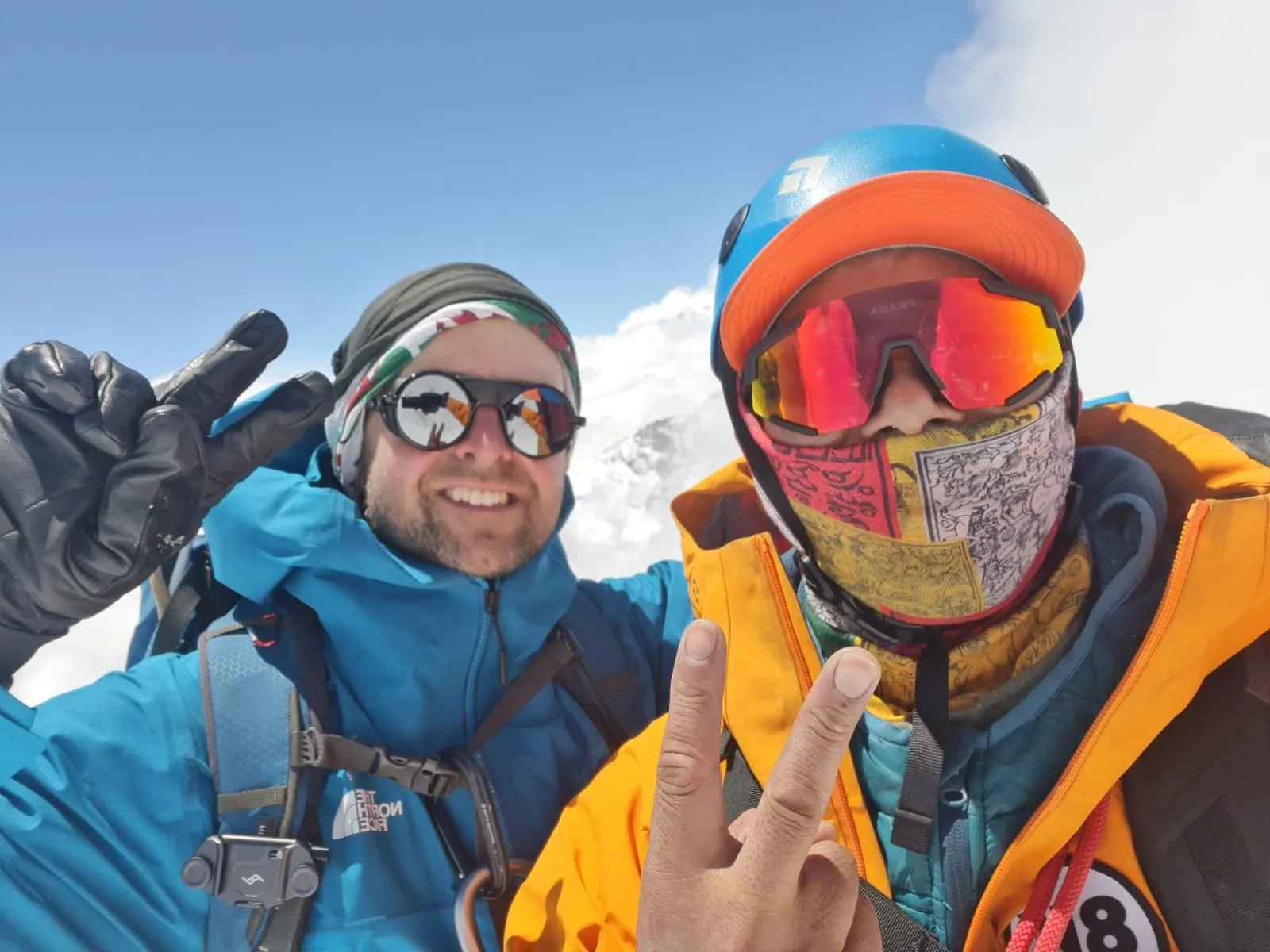
Temba and me on Lobuche East.
Evenings and nights at base camp
Evenings were early. After dinner some of the Sherpa team played cards or games on their phones. For an hour or two the Sherpa tent turned into a small rave, with everyone dancing to Tibetan club music. Then the generator went off at about 7pm and everyone went to sleep.
I was usually in my tent by around 6pm. I’d write my thoughts in my diary and go to sleep.
I slept better at base camp than anywhere else on my year of travelling. The first night, with less oxygen, was harder. After that I was getting 11 to 12 hours of solid sleep. There was no phone signal, so nothing kept me on my phone in the evenings.
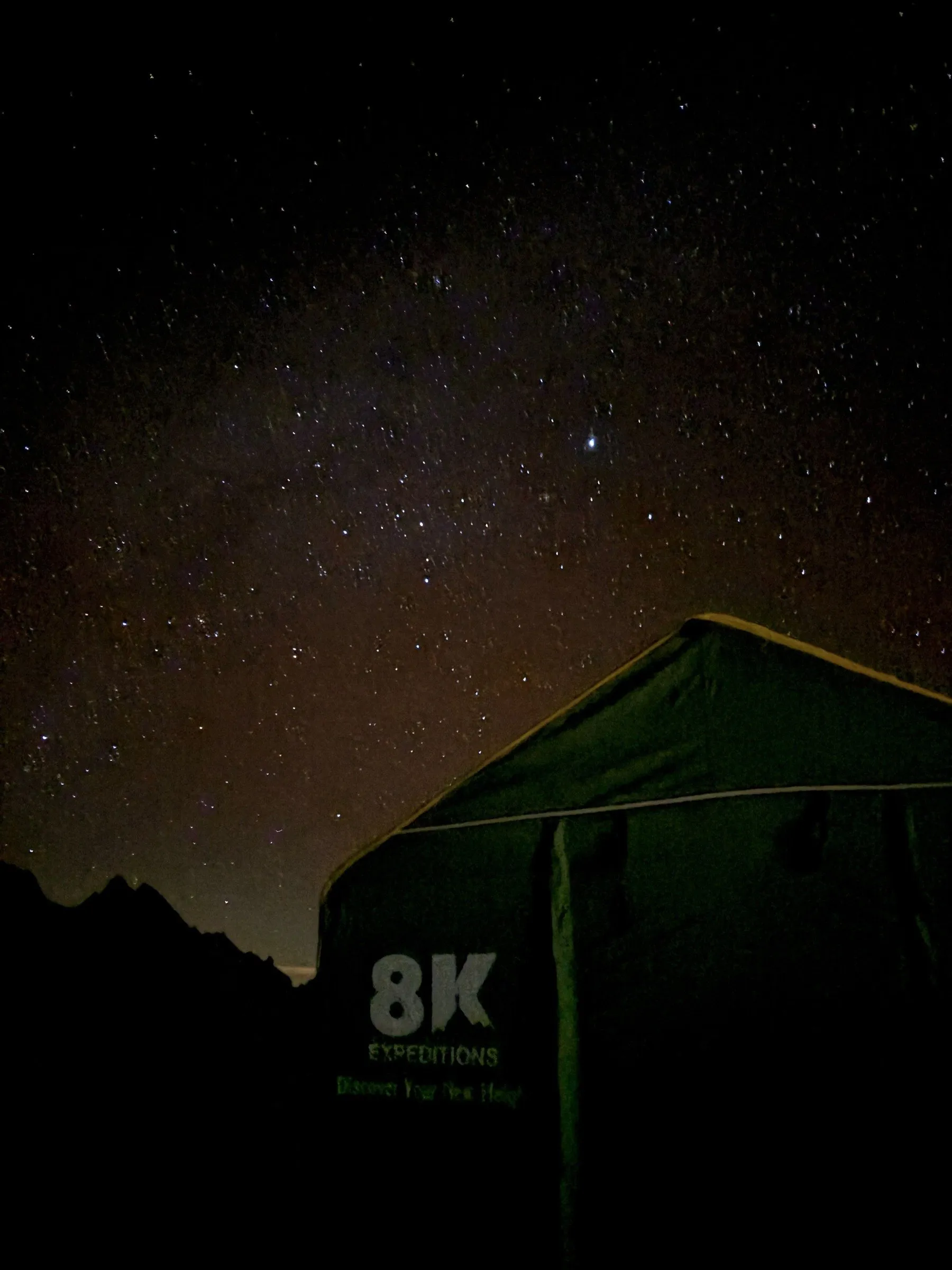
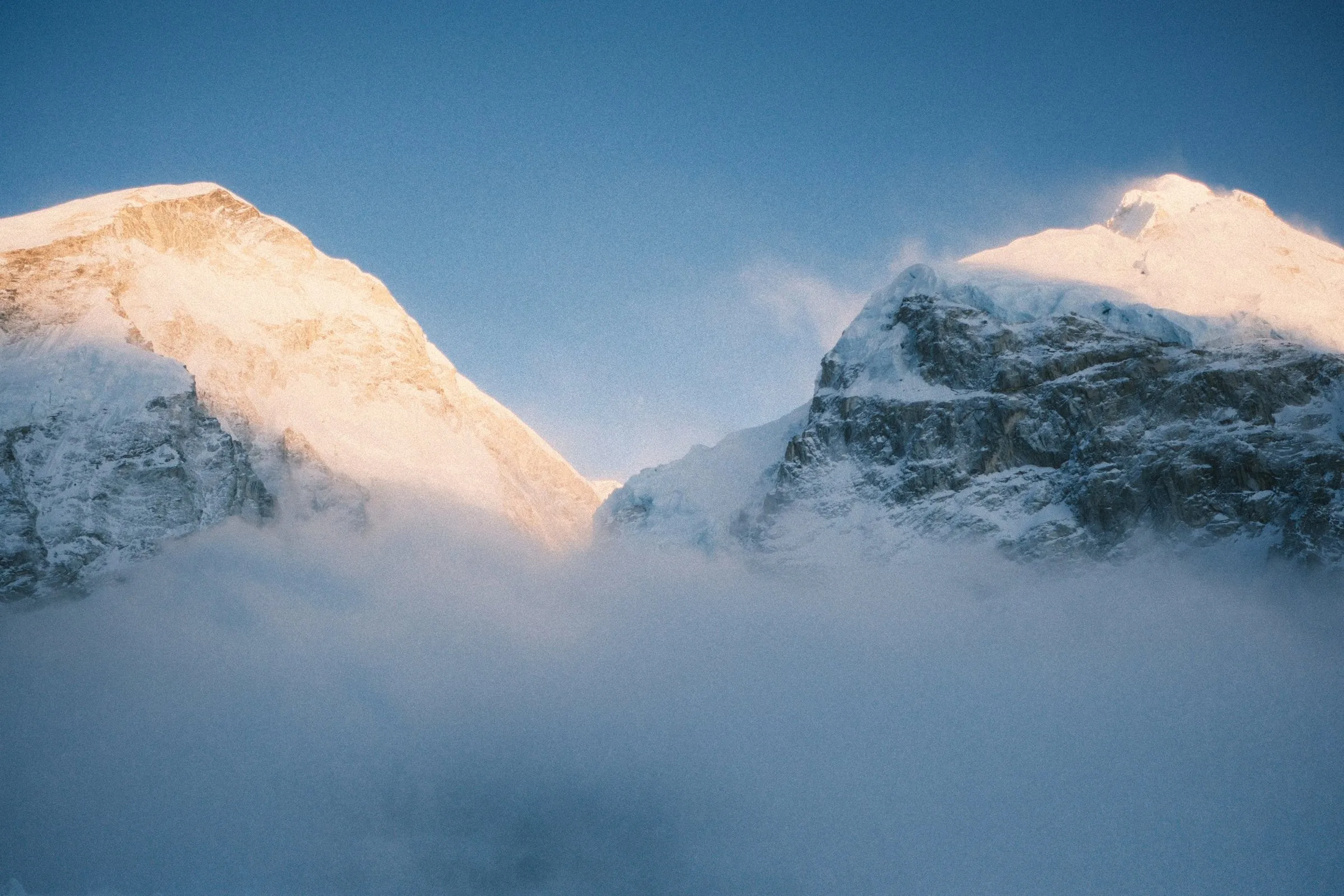
If I woke in the night, I’d open the tent and look up. Endless stars, shooting stars, and lights from tents speckled all the way across base camp. Through the night I could hear avalanches, snowfall and echoes around the valley.
Final thoughts
Most visitors see base camp for an hour. Staying in the Sherpa camp, I saw it as a workplace and a home, built mostly by hand over a few weeks, before the climbers arrive.
Thank you to 8K Expeditions, to Pemba and the whole Sherpa team, to the porters, and to Temba.
More from the Himalaya:
- Kang Yatse II Expedition Diary: A Photographer’s 10 Days in Ladakh
- Langtang Trek with Tserko Ri: A Practical Guide with Photography Tips
- Manaslu Circuit Trek Photography
- The Photographer’s Guide to Upper Mustang
- Kopan Monastery Kathmandu Photography Guide
If you have questions about Everest Base Camp, feel free to get in touch.